Tag Archives: well being

5 Stages of Spiritual Practice… including becoming aware the universe is alive and acting compassionately towards all beings

Can we wake up in an instant? Yes, possibly.. and engaging in the five stages of spiritual practice can make this more likely.

This process begins with healing, becoming whole and closely following this, finding ways to be positive – all in all, happy and healthy. This is followed by ‘death’ of fixed, limiting views and then an emergence into directly experiencing interconnectedness – and potentially, the universe as alive. Finally, spiritual emergence unfolds – a profound understanding and appreciation of live and its preciousness – and engagement in spontaneous compassionate activity.

Here is more detail on each of these stages:

Stage 1: Integration – In this stage, the key meditation practice is mindfulness – including the Mindfulness of Breathing and simply being present with what is arising in the our immediate, embodied experience.

This is itself, in a context of many distractions is a radical revolutionary act of independence, and self-efficacy. Sometimes, we may realise that we need support and this can include engagement in bodywork or healing sessions to address painful past experiences.

Part of mindfulness is also being aware of when we fall short of our aspirations and values. Ethics are a key part of mindfulness – being aware of the effects of our actions on other beings and being aware of our intentions and when unhelpful habitual patterns may be arising so we have an opportunity to do something different.

Stage 2: POSITIVE EMOTION – This phase is about the quality of our attention – cultivating kindness, compassion, joy and overall positivity. Authenticity in this is key – and practices for cultivating emotional positivity include recollection of gratitude, cultivating loving kindness (metta bhavana).

The process enables us to feel delight, bliss and even rapture though opening into embodied levels of deep ‘absorption’ (the dhyānas). This process can reveal areas where we feel less inclusive, towards parts of ourselves, or others, including other humans and non-human beings – so that we can transform this.

A teaching on loving kindness (the Kariniya Metta Sutta) goes, “Whatever living beings there may be, (moving, strong) animals or (still, weak) plant, without exception, whether they are very long or large or middling in size, or short, great or small, whether they are visible or unseen, whether living nearby or far away, whether they are born, or not yet come to be: may all living beings have happiness.” In other words, the aim is to cultivate well wishes towards all beings, regardless of species or material form.

Stage 3: SPIRITUAL DEATH – This process is a progression into wisdom (prajna) and vision, as in seeing the truth in terms of ‘ultimate reality’ with liberation from a ‘fixed self-image’ and habitual delusions that arise from greed, aversion and ignorance. Sometimes this is described as entering the ‘gateless gate’.

Practices for this include contemplation on the elements, on conditioned co-arising, death and impermanence – and thereby recognising truths such as that of impermanence, insubstantiality and the poignant beauty of ’emptiness’ (sunyata).

In the process of drum journeying, there may be a direct experience of letting go of a sense of separateness and individuality, and awakening into interconnected presence.
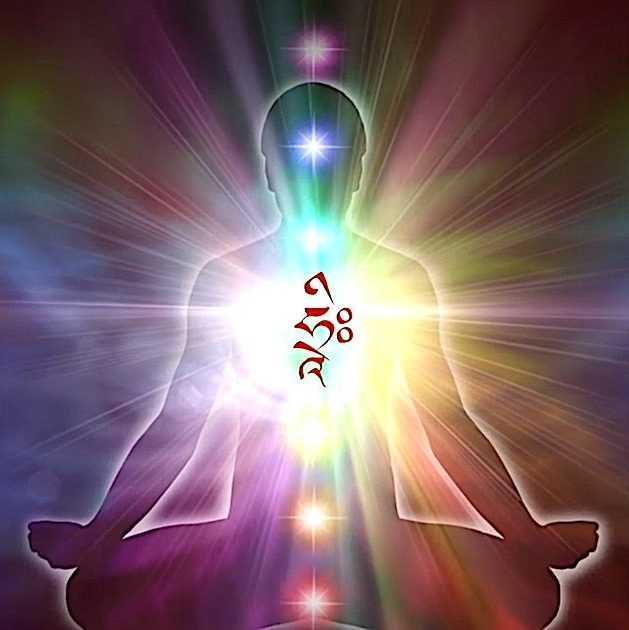
Meditation and spiritual practices enable a dissolution of the vijnana (false understanding) of separateness of self and the living universe.

Stage 4: SPIRITUAL REBIRTH – This stage is about the emergence of insight, wisdom is blended with dhyana and the process is one of transformation inline with the insights that arise – as a result of connection to wisdom energies (dharma Niyama). The practices for this may include visualisation of transcendent beings, such as buddha and bodhisattva figures. This is a stage of emergence transformation through connection with the truth as a living reality.  

Sangharakshita, the founder of the Triratna Buddhist Order, in his book, Living with Awareness, explains, “…a universe conceived of as dead cannot be a universe in which one stands any chance of attaining Enlightenment.’ Indeed Buddhist is a practice of embracing animism.

Through the drum journeying we shift into alterate states of consciousness that enable connection with these experiences and furthermore to gain wisdom and insight into answers to the deeper questions that we may have about our lives – and a profound appreciation of life itself.

Stage 5: COMPASSIONATE ACTIVITY – This stage is one of receptivity, a kind of ‘non-practice’, such as ‘just sitting’ and spontaneous compassionate activity – an overflow of enlightened presence and effortless compassionate being – as though a supra-personal force is flowing through one – the awakened consciousness or ‘will to enlightenment’ (bodhicitta).

Sangharakshita provides a summary of this system of practice – an edited extract from a seminar Nagarjuna’s Precious Garland – “All the time, every day, one has got five things to practice, as best you can, simultaneously:

  1. One keeps up the effort to be mindful and aware and to be as integrated as possible. 
  2. One remains in as positive a mental state as one possibly can. 
  3. One does not lose sight of one’s ultimate goal at any time. 
  4. Whatever you have realised/discovered/seen on the highest level of your being at any time, you try to apply this to practice at every level. 
  5. You do what you can to help people.  This is your spiritual life. All the other teachings on the Buddhist path are contained in this, in principle.”

In essence the key is to help all beings, human and non-human, awakened into awareness of a deeper essential interconnectedness.

I hope that this has been helpful.

Wishing you well, Guhyasakhi
User comments

Retreats of inspiration, reflection and community

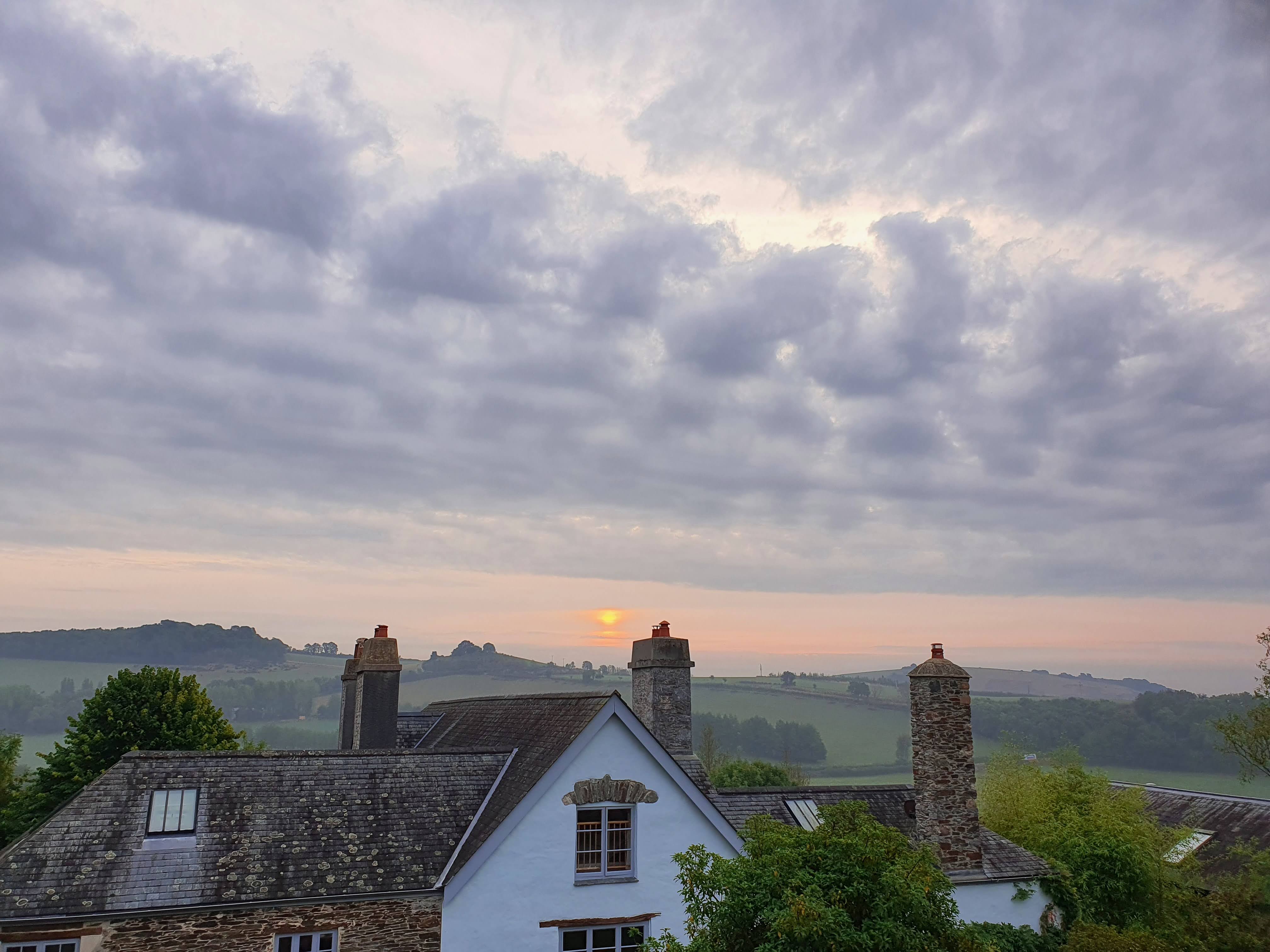
Sunrise in Devon at the Spirit of the Drum Retreat

From the end of June to the middle of October, I had the privilege – of inclination, time and financial resources – to have gone on a number of retreats. For those for whom this is unfamiliar, going on retreat is a way of dedicating some time and space to practice something.

This year I have been practicing mediation, exploring Buddhism or learning more about the ‘imaginal’ or ‘formless realms’.

Each retreat has been nourishing to body, mind, spirit and interconnectedness with nature.

29 June to 5 July Deep Ecology Camping Retreat. I was co leading this retreat with two other Order Members and it was heartening to share teachings and practices that can empower and inspire us are we face the Climate Emergency using Buddhist teachings.

This retreat was ‘well timed’ in many ways, including because I had just completed Level 1 of a City and Guilds Horticultural Course. I did the course with Organiclea and was delighted to learn lots about Organic Gardening, including soil types, companion planting, weed identification etc. I was so inspired and deeply feel that this is a way to feel empowered in the light of the climate catastrophe that I am now doing the Level 2 training – this time the focus is on Practical Horticultural skills.

28 to 31 July 2022: Into the Wild Retreat with James Low. I went on this camping retreat with my partner. We both engaged in the approach of openness, clarity and sensitivity of direct-seeing into the ‘nature of reality’ – a bright, fresh awareness emerges in each moment that is scintillatingly refreshing!

17 to 21 August 2022: Combined UK/Ireland Are Order Convention. This was an inspiring event and deepened an experience of connection to the Triratna Buddhist Order – and in case you missed it, I was ordained in July 2021. It was heartening!

I enjoyed meeting so many Order Members and felt deeply appreciative and part of an inspiring community – the teachings were heartfelt and I was especially delighted to be lead through the Vajrasattva Sadhana by Suryagupta, the Chair of the London Buddhist Centre, who also lead the POC retreat (see below).

I also camped, and packed my tent, sleeping bag and roll up mat into the front bag of my Brompton and carried my clothes in a rucksack on my back. So I was able to cycle to the venue with everything that I needed for the event. It was fun and something with lots of potential.

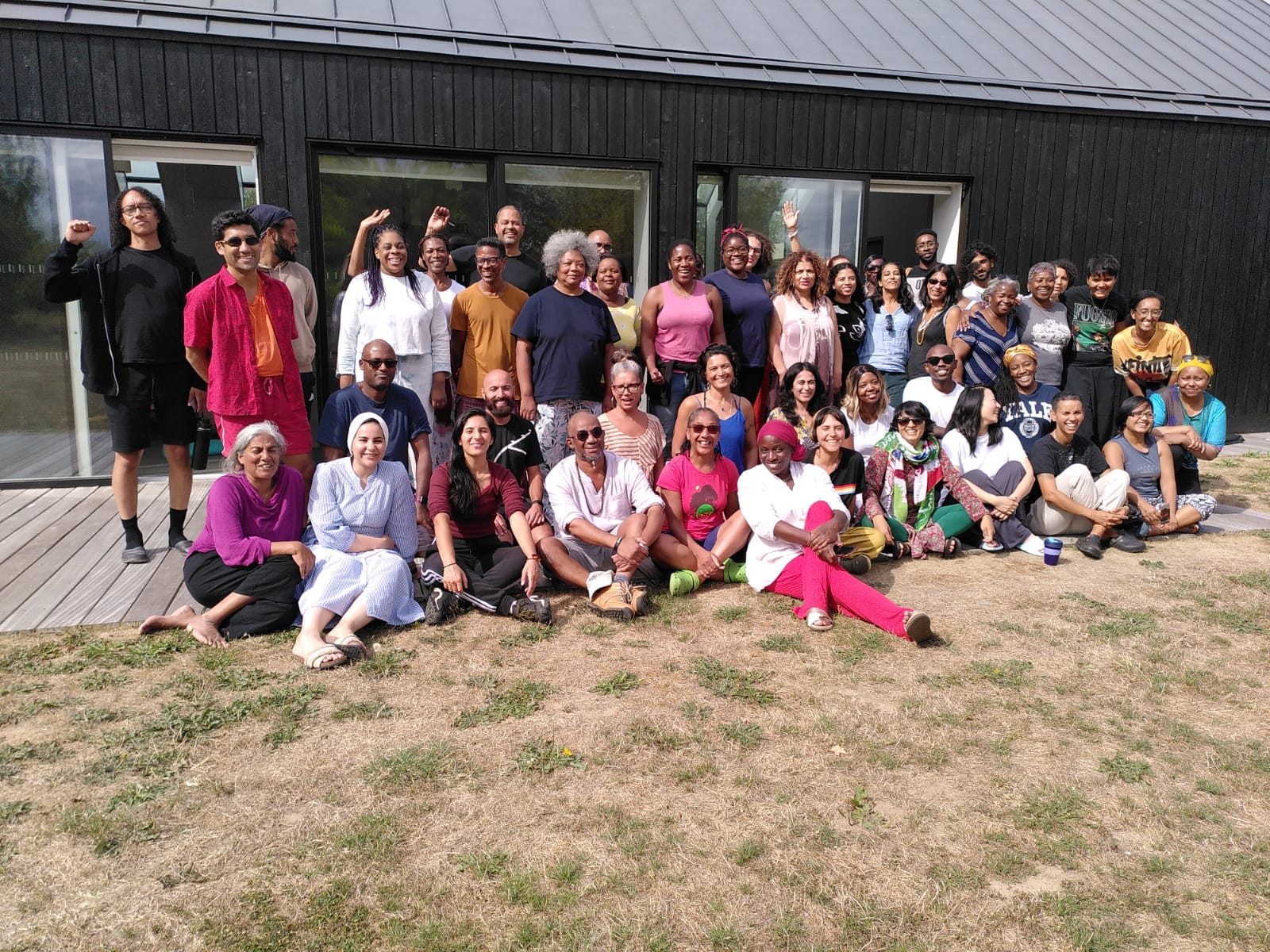
The POC retreatants – what an lovely and inspiring group of people!

25 August to 2 September 2022: A retreat for People of Colour (POC) at Vajrasana with the Triratna Buddhist Community. I was on the team for this retreat – and came a day earlier so we could reflect upon and review the experiences of the POC team over the last year or so.

Then the retreat began and I found that being with other POC people, evoked a spirit of openness, appreciation and vibrant connection. There is a freedom in POC spaces – and a resultant deep embodied sense of joy and friendliness.

The theme was on the Wisdom of Equality, evoked through the spirit of the Buddha Ratnasambhava. There were periods of silence on the retreat and this offered an opportunity to connect deeper into the mystery of being and the realms of embodiment and formlessness.

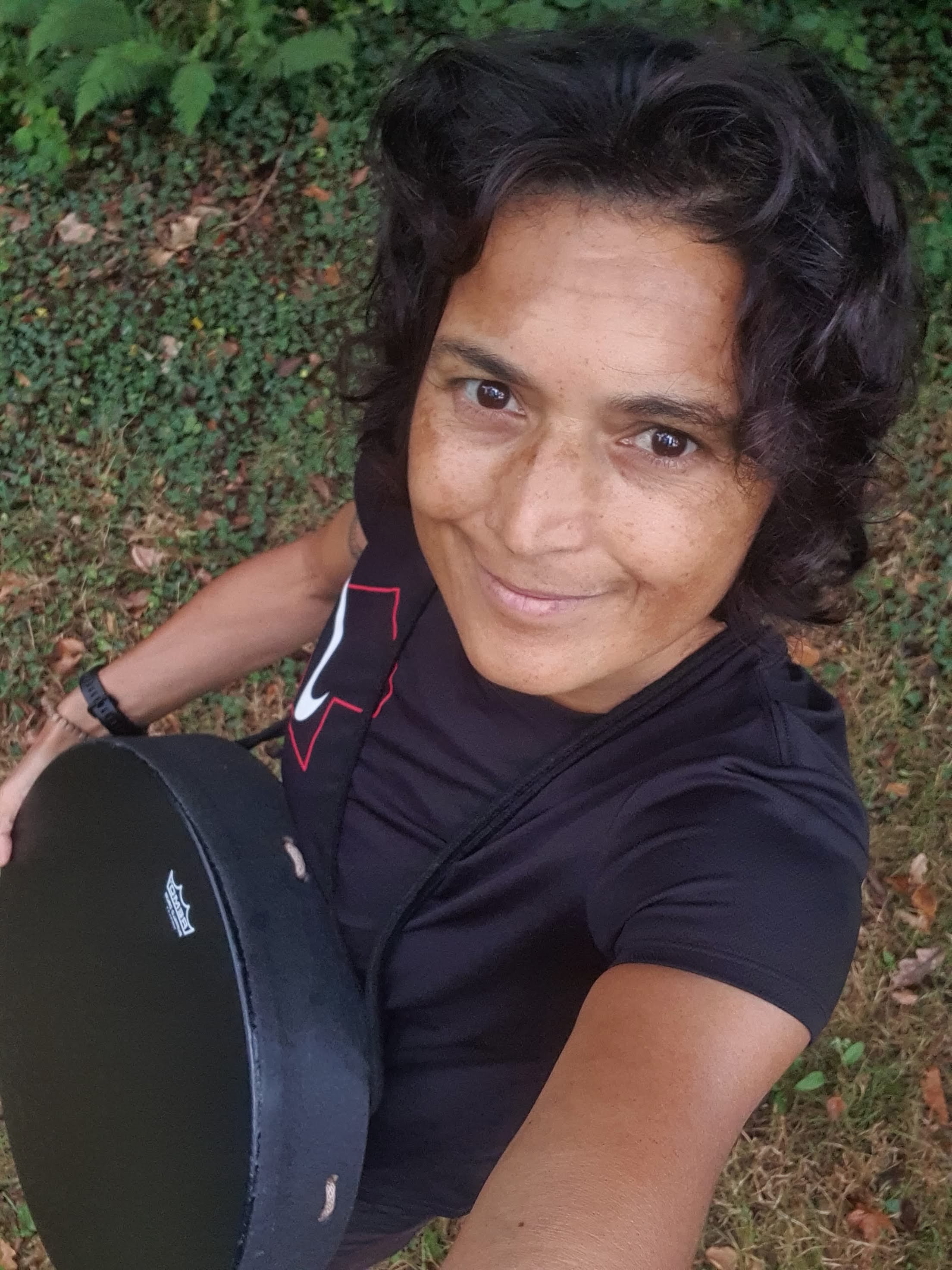
At the Spirit of the Drum Retreat I connected with and came away with a brand new, beautiful black drum which has been a pleasure to bring with me to a number of subsequent retreats.

2 to 5 September 2022: The Spirit of the Drum retreat with the Sacred Trust. This profound and inspirational retreat plunged into the depths of the arupaloka – the formless realms – and it was deeply transformative.

9 to 18 September 2022: Taraloka Retreat on Ritual and the Imagination in which we explored the mythic dimension of rituals and the imaginal realms. It was lead by Order Members – Punyamala, Moshalila, Singhcandra and Samantabhadri.

It was tremendously beautiful to plunge into this retreat so soon after the previous one. I appreciated the opportunity to invoke and ‘work with’ the magic and majesty of various Bodhisatva figures – also within the formless realms – in the ‘homeland’ of Triratna.

I also had the pleasure of drumming during the rituals and that was a transformative experience, enabling beings from the formless realms to be evoked, welcomed and appreciated.

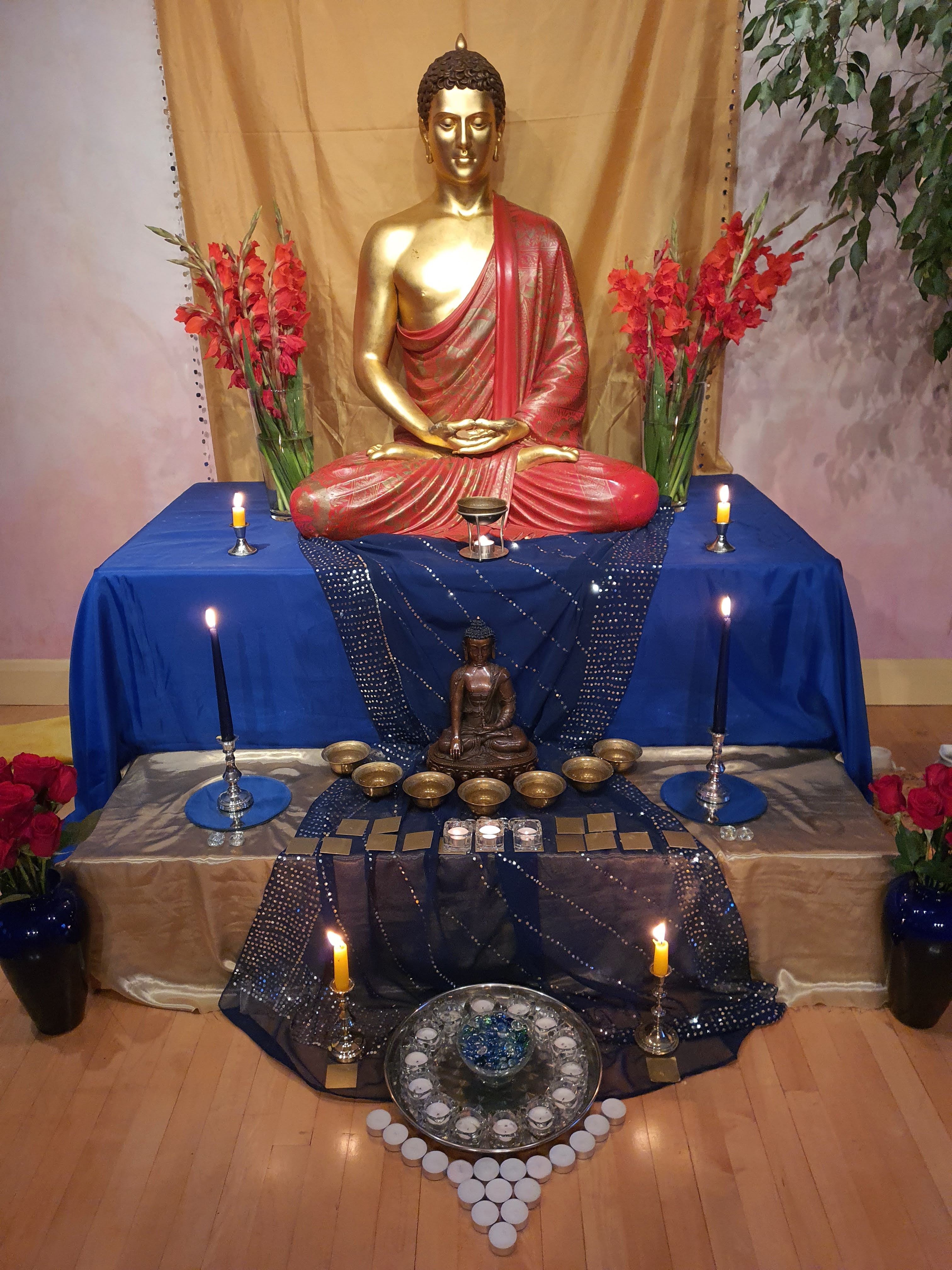
Once I returned, I was blessed to be able to lead another puja at the North LOndon Buddhist Centre and this time, I was inspired to dedicate it to Akshobya – there is an Akshobya pond at Vajrasana that may have connected me to this. This Buddha figure is a majestic blue-black in colour. I wanted to evoke the darkness and beauty of the midnight sky and celebrate the Mirror-like Wisdom of Water and the depths and values that this can bring. I also brought drumming into this ritual and the feedback was positive.

Shrine to Akshobya that I was inspired to create after the retreat on Ritual and the Imagination. I wanted to evoke the qualities of peaceful imperturbability and unshakeable resolve. I used the colours of blue and black or the midnight sky and put water in the tray to evoke the element of Water.
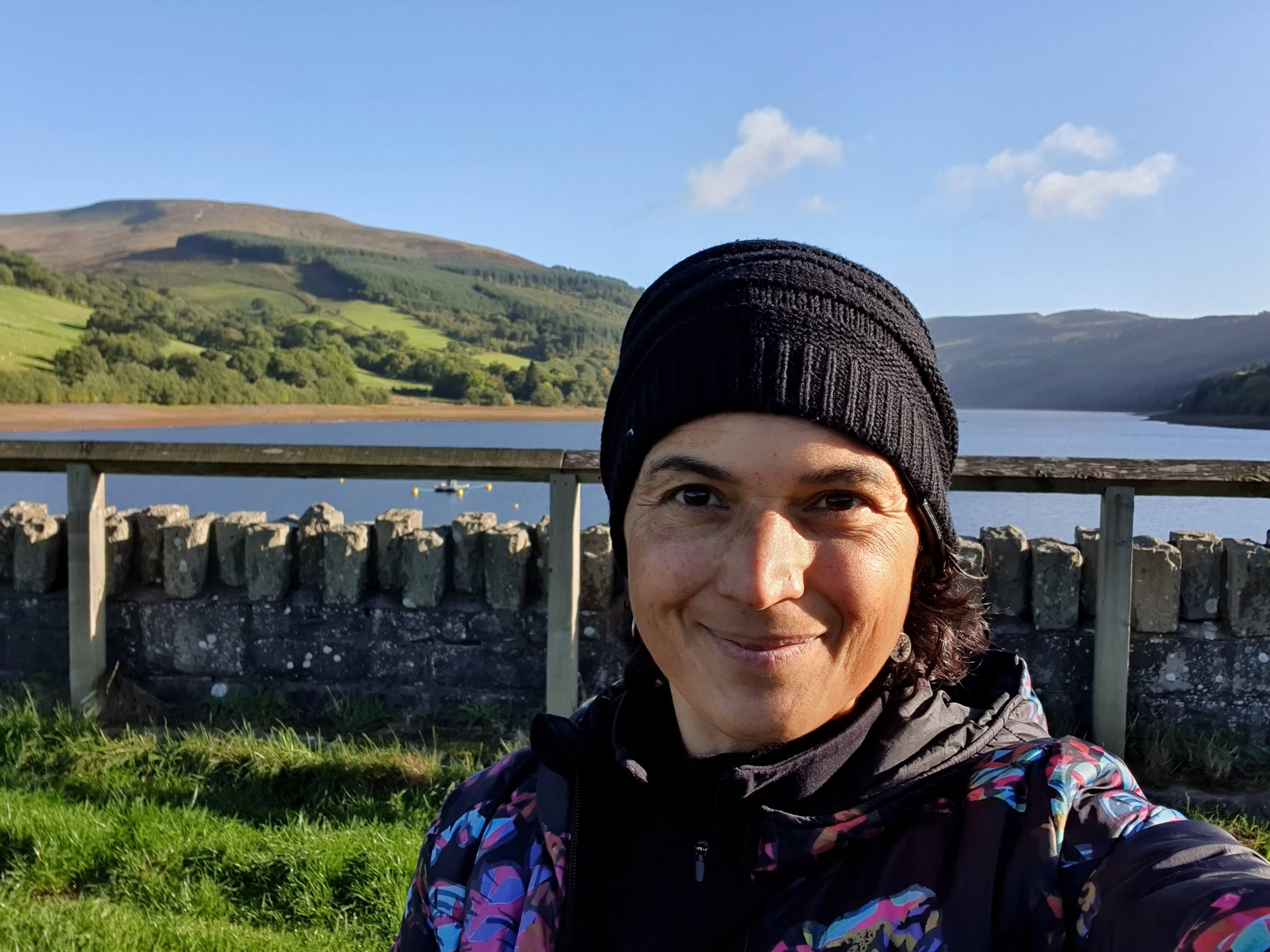
The reservoir near Tiratnaloka – ona bright and sunny day in October 2022.

7 to 14 October 2022: Buddhist Retreat for those in the Nissaya period. The Nissaya period is the first five years after ordination. It was lead by the Tiratnaloka Ordination Team and I was in a group lead by Dharmadassin.

This retreat was the first of its kind for women order members, focused on aspects of ‘weaving oneself in to the Order’. The Order, of course being Triratna Buddhist Order and as I was ordained in July 2021, this was just the kind of retreat that I needed for this stage of emerging as an Order Member.

There were talks on relevant topics such as Being in a Kula and How to give Feedback – it was practical and supportive. There was also time to practice ethics – through ‘confession practice. This is where we bring awareness to how one or more of the ten precepts (undertaken at ordination) may not have been followed close enough. We practice awareness, remorse and resolve to change. It is a healing and life affirming practice that leaves one feeling lighter and liberated.

So now I am back and enjoying being back home again – and on another retreat, this time online, called the Mandala of Awakening. it is happening live at Vajraloka and I am honoured to to set recordings each day and be able to join a group of other Order Members to follow the practices and teachings. It has been illuminating.

What is MBSR? #mindfulness #MBSR

Mindfulness group 06A

Practicing mindfulness regularly helps enhance neural pathways in the brain, developing a deeper sense of peacefulness, calm and focus.

What is Mindfulness-based Stress Reduction, aka MBSR?  This is the topic of tomorrow night’s Mindfulness Meetup – a taster session being run by Holistic Education CIC.

Substantial research shows that practicing mindfulness regularly can help reduce stress and enhance well-being, confidence and positivity.  Mindfulness is essentially a particular way of paying attention, on purpose and non-judgementally that can enhance the awareness of our experiences, moment by moment.  One of the best ways to learn to practice mindfulness regularly is to attend an MBSR course.

MBSR was originally developed by Dr. Jon Kabat-Zinn and colleagues at the University of Massachusetts Medical Centre (USA) in the 1980s. It is a well-researched and evidence-based mindfulness programme that aims to help participants to develop confidence and skills in practicing mindfulness.  It consists of eight sessions (each between 2 and 3 hours long) and an additional all-day of practice.  It includes theory on how mindfulness works and opportunities to practice.  Home practice is an important part of the course and audio files are available to help with this.

Holistic Education runs regular MBSR courses following training by the University of Bangor’s Centre for Mindfulness Research and Practice and the UK Network of Mindfulness Teachers Good Practice Guidelines.  The next MBSR course will be on Monday evenings from 6:30pm to 9pm from 18 Jan to 14 Mar 2016 (no session on 15 Feb). Included in the course is an Introduction and Orientation session (11 Jan 2016) and a Mindfulness Practice Day, Saturday 6 March 2016, 9am to 3pm.

Eventbrite - Mindfulness-based Stress Reduction (MBSR) in Walthamstow Jan to Mar 2016

Day Workshop on Mindfulness for Educational and Child Psychologists and those working in schools: an update

Work with children includes using drawings to help them to express their experiences of mindfulness.  Here a child drew how he felt relaxed and comfortable all over his body.

Work with children includes using drawings to help them to express their experiences of mindfulness. Here a child drew how he felt relaxed and comfortable all over his body.

Educational and Child Psychologists have an essential role in schools and work with school staff, families, children and young people.  They apply psychology in a range of educational contexts to help children and young people make progress with learning.

Difficulties with learning may be due to factors that cannot be changed, such as autism or medical needs.  However, they may be also due to factors can be changed – such as the ability to pay attention and regulate emotions. Substantial research evidence shows that mindfulness, a form of training in body-mind integration, can help improve attention, learning potential, working memory capacity and mental health and wellbeing.  Those working in schools can help children and young people become  better able to manage difficult feelings, such as anger, anxiety and low mood.

This workshop is an opportunity for educational and child psychologists and others working in schools to learn about mindfulness and how it can be used as an intervention in schools.  It provides a theoretical and practical overview of mindfulness, including the research evidence for its benefits.  It gives an insight into how mindfulness training may be adapted for those with Special Educational Needs and Disability (SEND) and includes information on the Mindfulness-based Awareness Training (MBAT) intervention that was developed through doctoral research. Though training and support on how to integrate mindfulness into their lives, children and young people can enhance their potential to pay attention and learn.

To learn more about this and to attend a workshop, click here or contact me by email.

Best wishes, Bernadette

Mindfulness Meetup 13 April 2015: Participant Feedback

Practicing mindfulness regularly helps enhance neural pathways in the brain, developing a deeper sense of peacefulness, clam and focus.

Practicing mindfulness regularly helps enhance neural pathways in the brain, developing a deeper sense of peacefulness, clam and focus.

On Monday 13 April, I ran another Mindfulness Meetup session in Walthamstow.  Here is some of the feedback:

[I gained] “sense of peace”, “understanding of the rapidity and quality of thoughts”.

[what went well was] “being aware of every part of my body – appreciation”. “Mind slowed down – relaxation”.

“I liked how it flowed and clock time seemed to be irrelevant for the whole evening. Useful and relaxing approach to body and mind feel more accepting of my mind!”

“Easy atmosphere”. “I would like to do the eight-week course”.

[What I’ve found useful was] “the introduction of movement to keep the mind focused.”

“It was good to concentrate on the breathing.”

One of the quotes appear to be from someone who had done some mindfulness training before:”All good. Good “revisit” of body/ breath/ sound scan.will attend two emails for more “boosters” to my rudimentary daily practice.”

Would you like to come to one of the Mindfulness Meet ups?  For more information see the mindfulness meet up page.  For more information and to book on the next Mindfulness Meetup please go to the Eventbrite booking page.   Remember that there are discounts for those working in educational settings, students and those on low incomes. for more information about mindfulness meet ups and the promotional codes, please contact me.

What participants have said about the MBSR course

The MBSR course takes place with a small group of people - about 10 to 14 participants.

The MBSR course takes place with a small group of people – about 10 to 14 participants.

I really appreciate getting feedback from participants.  It helps me develop as a mindfulness teacher, appreciating where things work and tweaking bits where need be too.  It helps me ensure that what you are getting what you wanted from the course and that the teaching is adapted to your needs.

You may view the feedback on the the MBSR webpage where there is more information about the course.  I also include it here:

What have participants said about the course?

“I really enjoyed the fact that we were quite a small group. I know other people who have completed the course in much larger groups and I was pleased to find out ours was smaller. I valued most the discussions, reflections and sharing of ideas / experiences and this was enabled through your facilitation and also supported by being part of a small group. I feel I have benefitted both personally and professionally from attending the course.” (Educational Psychologist).

“I appreciated the structured well organised weekly sessions and practise of the mindful techniques to help manage stress and be more relaxed.I particularly liked the simple 3 Minute Breathing Space, which has been my ongoing regular practice that has helped me cope better in some ways.
I am more aware of being vigilant to my thoughts, feelings and actions with the aim to choose how to respond, rather than to simply react to everything. The excellent course handouts were in context with each practical session, that gave meaningful explanation and purpose for benefitting from the MBCT practice.”
(Yoga Teacher)

“I enjoyed the course and have continued to put it into practice within my daily routine. I enjoyed listening to other people’s opinions, challenges and strategiesI would recommend this course for anyone trying to open up their awareness of mindful meditation. I have found that I am less reactive to situations and more aware of my actions as a result.” (Speech and Language Therapist).

“I would recommend [the course] to anyone, particularly within the educational field or within parenting work, where I think it has great applications. I would also recommend that they make the time for as much home practice as possible.” (Educational Psychologist).

“Strongly recommend the course. I have always been resistant to idea of group work/ sharing but a convert. Thank you for enlightening me! I liked way you supported people and kept reiterating effectively that no right or wrong way in meditation and acceptance of what was importance as it seemed to me that some attendees were very hard on themselves and this present as a barrier to them.” (Student Occupational Therapist).

I hope that this feedback may be inspiring to those considering mindfulness training.

Warm wishes, Bernadette

Mindfulness Practice Day 7 March 2015

Practicing mindfulness regularly helps enhance neural pathways in the brain, developing a deeper sense of peacefulness, clam and focus.

Research shows that practicing mindfulness regularly helps enhance neural pathways in the brain, developing a deeper sense of peacefulness, calm and focus, reducing symptoms of anxiety and depression and improving overall well-being.

On Saturday 7th March 2015, there will be a Mindfulness Practice Day.  This is a litte ‘retreat’ for those who have had some experience of practicing mindfulness, yoga or meditation in a group.

We will be reviewing practices from the Mindfulness-based Stress Reduction and Minduflness-based Cognitive Therapy courses.  The aim will be to delve into the heart of ‘being mode’ through a range of mindfulness practices, enabling us to turn towards our experiences with gentleness and curiosity as best as we can, moment by moment.

Research shows that regularly practicing mindfulness enhances neural pathways in the brain related to well-being and postive mental states and reduces those related to stress, anxiety and depression.

For more information see the Mindfulness Practice Day webpage.

Eventbrite - Mindfulness Practice Day in Walthamstow 7/3/15

Mindful Meetup 12 January 2015: Feedback from Participants

There is a regular Mindfulness Meet Up in Walthamstow.  Click for more information.

There is a regular Mindfulness Meet Up in Walthamstow. Click for more information.

Last Monday, I hosted another Mindfulness Meetup in Walthamstow.  These sessions are opportunities to meet up and practice mindfulness in a group.  They are for any level of experience – from complete beginners to those who have done some training and wish to practice in a group.

This evening, eleven people came along and the session started with introductions, a short mindfulness practice and a brief discussion about what we wanted from the evening.  It turned out that nearly everyone was fairly or completely new to mindfulness.  I introduced a bit about the background to mindfulness, including how and why Jon Kabat-Zinn developed the Mindfulness-based Stress Reduction (MBSR) Course and something about the research evidence on the benefits of practicing mindfulness regularly.

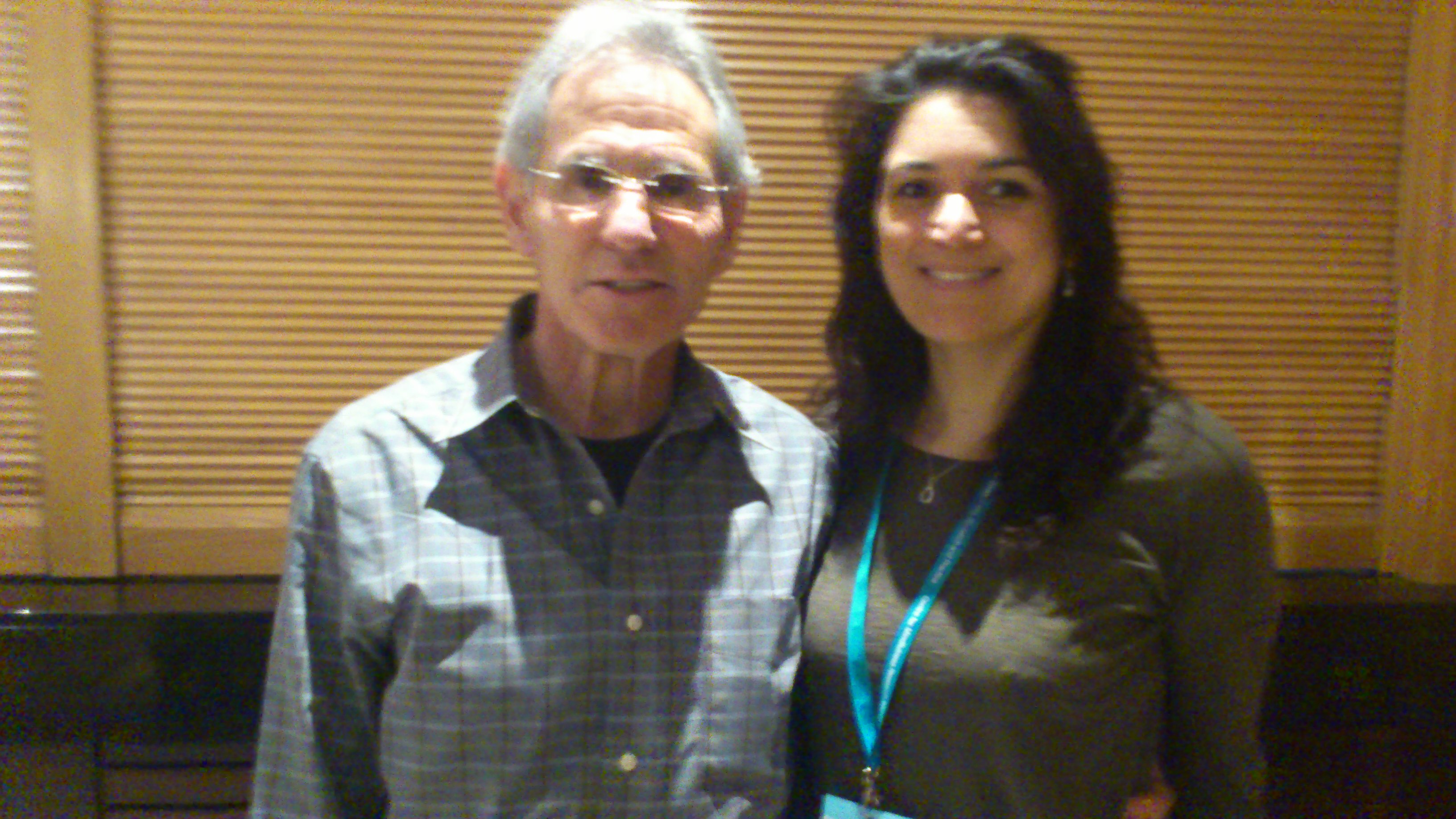
Jon Kabat-Zinn (left) and myself, at the Mindfulness Conference in Chester in 2013.

Jon Kabat-Zinn (left) and myself, at the Mindfulness Conference, Chester, 2013.

I also mentioned a study that found that even after a couple of weeks of practice, the brain already shows measurable signs of structural change in parts that enhance positive emotion and cognitive skills.  So it can take weeks, rather than years, before we start feeling calmer, experiencing a deeper sense of well-being and better concentration.

The group also shared their reasons for wanting to learn more about mindfulness.  Some explained that they had difficulties with general anxiety and others mentioned problems with sleeping.  Some wanted to become more effective at their jobs and also to be able to ‘switch off’ from work when away from it.  All wanted to explore what mindfulness might offer to them personally.

While participation in mindfulness practices affects each of us individually, research show that regularly practicing mindfulness practice can significantly reduce symptoms of anxiety and improve overall health and well-being.   For example, it can improve emotional regulation, giving us skills to readjust our moods and how this in turn affects our outlook on life.  We can get better at noticing what is happening in the moment and make choices quickly, so instead of going into automatic thought patterns that perpetuate stressful, we can cultivate ones that bring more positive mind-states.  We can bring a sense of appreciation, calm, equanimity and overall well-being into more of the moments in our lives.

One of the mindfulness group sessions from the MBSR course.

One of the mindfulness group sessions from the MBSR course.

The rest of the evening was about practicing.  We were able to start glimpsing into how the mind behaves – that it wanders, quite automatically – and how to notice this and gently and kindly guide the attention back to the chosen focus (the feet on this occasion).  This is a fundamental practice in the process of cultivating mindfulness.

Finally, we journeyed into a longer, sitting practice for 20 minutes, as agreed by the group. Because we had gone over the essence of the practice, there was an opportunity try this is relative silence, with only a few prompts.   The focus was on cultivating mindfulness of ‘body’ and ‘breath’, with a gentle friendliness towards experiences, as best as we can.  The room went beautifully quiet, still and focused, with a gentle sense of peacefulness.

At the end, a short evaluation form was completed. The feedback was really positive and I have included a few quotes here for you:

Good intro + overview.  I am not alone.”

“People were very open about reasons for attending.  This relaxed me.”

“There is a wide-spead need for this sort of training.”

“It felt comfortable.  Good to be able to be completely quiet/ still.”

“I enjoyed meeting like-minded people and meditating in a group for the first time.  Instruction was useful and definitely considering attending the course.”

“Allowed myself space to reflect on why I might be here.”

“Able to learn strategies for relaxation and how to connect with yourself by focusing on your feet/ breath.

“Completely new to mindfulness.  Enjoyed the practice session.”

“I was able to relax more fully than I feel I’ve been able to for some time.”

MailinglistI hope this inspires you to come along to the mindfulness training offered by Holistic Education and the Mindfulness Meetups in Walthamstow,  For regular updates, please join our mailing list.

Best wishes, Bernadette

Mindfulness in London – Opportunities to enhance well-being and develop skills to become more resilient to stress

Dr CarelseHappy New Year! Welcome to 2015 and the invitation to have a fresh start and focus on making life more meaningful to us as individuals, cherishing the time left in our lives.  Mindfulness is a way to take stock of and simple ‘be’ with where we are right here and now, moment by moment.   Research shows that it can enhance health, well-being and resilience to stress. In addition, it can help us become more aligned with longer term goals and aspirations. Here are some opportunities to learn more about Mindfulness and Yoga in London.

On Monday 12 January, there is a Mindful Evening in Walthamstow – aka the Walthamstow Mindfulness Meet Up.  It is an opportunity for people to meet up and practice mindfulness together.  This is for anyone interested, from complete beginners to those who would like a bit of a refresher or boost to their own practice.

The British Wheel of Yoga has the largest yoga membership in the UK.  It is committed to promoting a greater understanding of yoga and its safe practice through experience, study and training.

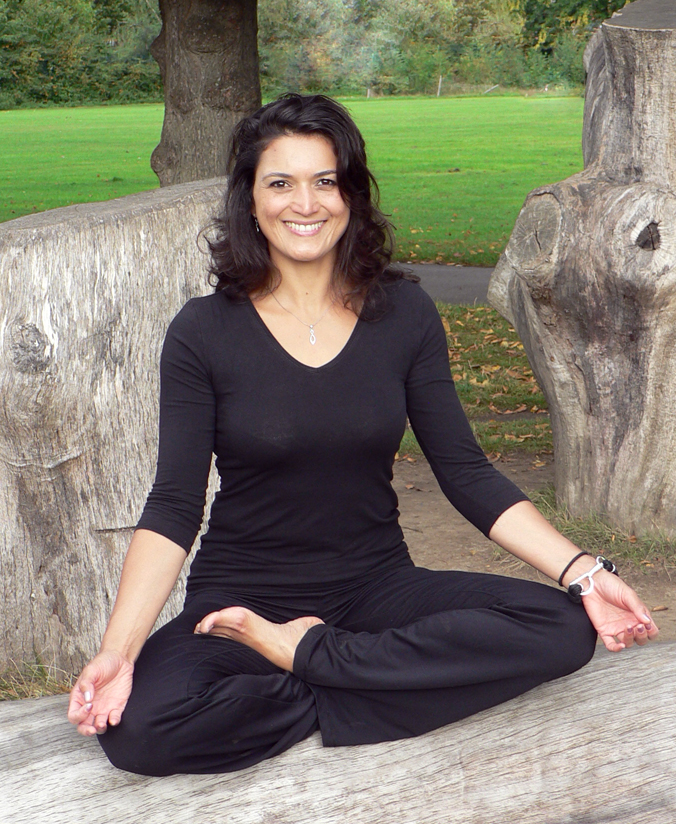
Dr Carelse is a qualified British Wheel of Yoga teacher.

On 14 January, the “Yoga with Mindfulness” classes begin at the Corporation of London Community Education Centre.  This week, and next the centre will be taking bookings.  The classes will be run from 6pm to 7:30pm.

The following week, on 19th January, the next Mindfulness-based Stress Reduction Course will be starting.  There has been a really positive response and there are only a few places left.

Overall the interest in mindfulness has been increasing, including in schools.  On 20th January, I will be running a 3-hour mindfulness session in a primary school to about 60 members of staff.  This is a shorter, more accessible version of the Introduction to Mindfulness Day Workshop that is part of the series of mindfulness training opprotunities that are available for those in educational settings.

.b Foundations was developed by the Mindfulness in Schools Project (MiSP).

.b Foundations was developed by the Mindfulness in Schools Project (MiSP).

On 26th January I will be presenting on mindfulness at a staff meeting in a secondary school, introducing further training that will be available at the school the following month.

Overall, 2015 is another year of opportunities to share this valuable practice with you and others.  By regularly practicing, we can support ourselves to sustain a level of equanimity through the inevitable changes that life brings.

For more information, including about training in mindfulness for schools, contact me.

Warm wishes, Bernadette

Paws .b: New mindfulness course for primary schools

Today, I met up with a group of teachers who had trained to run Paws .b course, a new mindfulness course for pupils in primary schools.  In August this year, we had met in Bangor, Wales for 3 days of training to deliver this programme.  Following a pilot programme in April, this was the first time the updated training programme had been delivered.

Paws .b is a well structured and evidence based mindfulness programme for pupils in primary schools.

Paws .b is a well structured and evidence based mindfulness programme for pupils in primary schools.

Paws .b course was developed by mindfulness teachers who also had experience teaching in schools, as part of the Mindfulness in Schools Project, a “non-profit organisation whose aim is to encourage, support and research the teaching of secular mindfulness in schools”.  The training involved going through the Paws .b programme session by session, giving us a clear picture of the structure and the thinking behind the course.  One thing that I really appreciate is its in-built flexibility: it may be delivered as either 6 one-hour sessions or as 12 half-hour ones.

Of all the mindfulness exercises we learnt my favourite was the “petal practice”.  Here, you move the fingers of one hand or both hands in time with the breath.  This involves bringing the fingertips of each hand together while breathing in and opening up the palm of the hand, like an opening flower, while breathing out.  I found it quickly and easily anchored the attention on the breath and sustained it there.  From here, the wandering mind of automatic thinking and reactivity could be gently settled and stilled and a calm peacefulness enabled to emerge.

Over the three days, there were ample opportunities to get to know each other and share our backgrounds into mindfulness.  All of us had done an 8-week mindfulness training programme, such as Mindfulness-based Stress Reduction (MBSR), and had an established mindfulness practice; this was the main prerequisite for the training.  I also learnt that despite coming from a variety of backgrounds, including schools, clinical, therapeutic and business settings, we also shared a confidence in mindfulness as a way to promoted mental health and well-being and desire to share this with children.

Since the training, many have started running the Paws .b course in schools across the country and beyond.  Today was wonderful in terms of being able to catch up  in a small group, and share about our experiences of doing so.

For more information on Paws .b by Holistic Education, click here.