Tag Archives: mindfulness

5 Stages of Spiritual Practice… including becoming aware the universe is alive and acting compassionately towards all beings

Can we wake up in an instant? Yes, possibly.. and engaging in the five stages of spiritual practice can make this more likely.

This process begins with healing, becoming whole and closely following this, finding ways to be positive – all in all, happy and healthy. This is followed by ‘death’ of fixed, limiting views and then an emergence into directly experiencing interconnectedness – and potentially, the universe as alive. Finally, spiritual emergence unfolds – a profound understanding and appreciation of live and its preciousness – and engagement in spontaneous compassionate activity.

Here is more detail on each of these stages:

Stage 1: Integration – In this stage, the key meditation practice is mindfulness – including the Mindfulness of Breathing and simply being present with what is arising in the our immediate, embodied experience.

This is itself, in a context of many distractions is a radical revolutionary act of independence, and self-efficacy. Sometimes, we may realise that we need support and this can include engagement in bodywork or healing sessions to address painful past experiences.

Part of mindfulness is also being aware of when we fall short of our aspirations and values. Ethics are a key part of mindfulness – being aware of the effects of our actions on other beings and being aware of our intentions and when unhelpful habitual patterns may be arising so we have an opportunity to do something different.

Stage 2: POSITIVE EMOTION – This phase is about the quality of our attention – cultivating kindness, compassion, joy and overall positivity. Authenticity in this is key – and practices for cultivating emotional positivity include recollection of gratitude, cultivating loving kindness (metta bhavana).

The process enables us to feel delight, bliss and even rapture though opening into embodied levels of deep ‘absorption’ (the dhyānas). This process can reveal areas where we feel less inclusive, towards parts of ourselves, or others, including other humans and non-human beings – so that we can transform this.

A teaching on loving kindness (the Kariniya Metta Sutta) goes, “Whatever living beings there may be, (moving, strong) animals or (still, weak) plant, without exception, whether they are very long or large or middling in size, or short, great or small, whether they are visible or unseen, whether living nearby or far away, whether they are born, or not yet come to be: may all living beings have happiness.” In other words, the aim is to cultivate well wishes towards all beings, regardless of species or material form.

Stage 3: SPIRITUAL DEATH – This process is a progression into wisdom (prajna) and vision, as in seeing the truth in terms of ‘ultimate reality’ with liberation from a ‘fixed self-image’ and habitual delusions that arise from greed, aversion and ignorance. Sometimes this is described as entering the ‘gateless gate’.

Practices for this include contemplation on the elements, on conditioned co-arising, death and impermanence – and thereby recognising truths such as that of impermanence, insubstantiality and the poignant beauty of ’emptiness’ (sunyata).

In the process of drum journeying, there may be a direct experience of letting go of a sense of separateness and individuality, and awakening into interconnected presence.
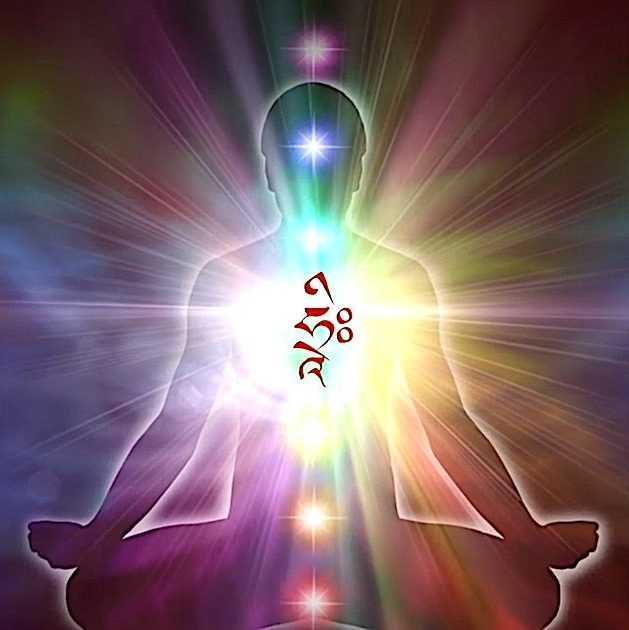
Meditation and spiritual practices enable a dissolution of the vijnana (false understanding) of separateness of self and the living universe.

Stage 4: SPIRITUAL REBIRTH – This stage is about the emergence of insight, wisdom is blended with dhyana and the process is one of transformation inline with the insights that arise – as a result of connection to wisdom energies (dharma Niyama). The practices for this may include visualisation of transcendent beings, such as buddha and bodhisattva figures. This is a stage of emergence transformation through connection with the truth as a living reality.  

Sangharakshita, the founder of the Triratna Buddhist Order, in his book, Living with Awareness, explains, “…a universe conceived of as dead cannot be a universe in which one stands any chance of attaining Enlightenment.’ Indeed Buddhist is a practice of embracing animism.

Through the drum journeying we shift into alterate states of consciousness that enable connection with these experiences and furthermore to gain wisdom and insight into answers to the deeper questions that we may have about our lives – and a profound appreciation of life itself.

Stage 5: COMPASSIONATE ACTIVITY – This stage is one of receptivity, a kind of ‘non-practice’, such as ‘just sitting’ and spontaneous compassionate activity – an overflow of enlightened presence and effortless compassionate being – as though a supra-personal force is flowing through one – the awakened consciousness or ‘will to enlightenment’ (bodhicitta).

Sangharakshita provides a summary of this system of practice – an edited extract from a seminar Nagarjuna’s Precious Garland – “All the time, every day, one has got five things to practice, as best you can, simultaneously:

  1. One keeps up the effort to be mindful and aware and to be as integrated as possible. 
  2. One remains in as positive a mental state as one possibly can. 
  3. One does not lose sight of one’s ultimate goal at any time. 
  4. Whatever you have realised/discovered/seen on the highest level of your being at any time, you try to apply this to practice at every level. 
  5. You do what you can to help people.  This is your spiritual life. All the other teachings on the Buddhist path are contained in this, in principle.”

In essence the key is to help all beings, human and non-human, awakened into awareness of a deeper essential interconnectedness.

I hope that this has been helpful.

Wishing you well, Guhyasakhi
User comments

Deep Ecology, teaching meditation and enjoying the allotment

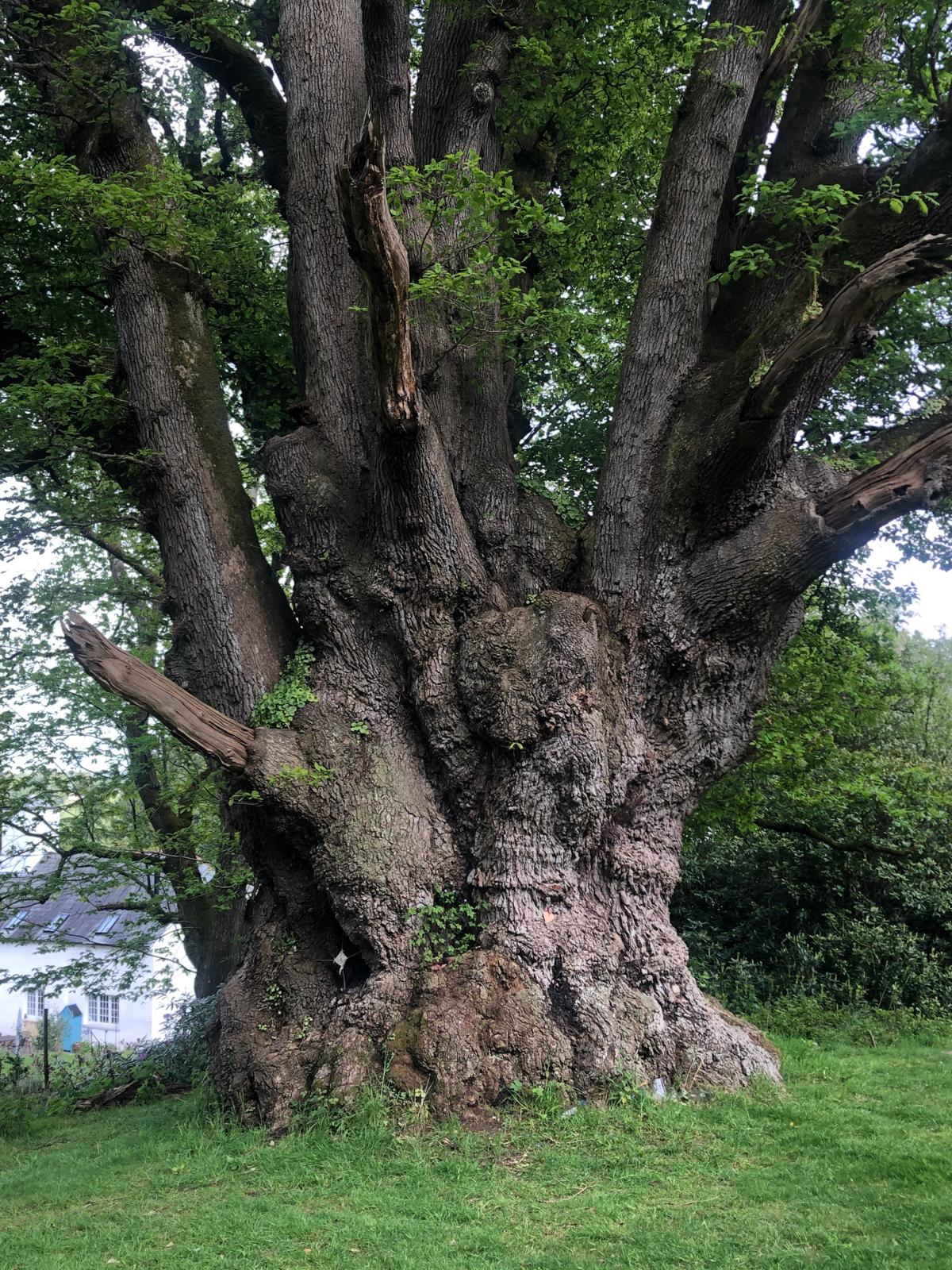
The beautiful 900+ year old Oak Tree at Alfoxton Park – where we had the last Deep Ecology Camping Retreat.

I have had some time to reflect on the pat few months and realise the emergence of a few new themes.. in the process of engaging in retirement (more on that another time perhaps!)

Deep Ecology Days and Retreats – For a few years, I have been co-facilitating Day Retreats and longer Camping Retreats on Buddhism and Deep Ecology with Sanghasiha, another Buddhist Order Member.

This week, we just came back from one at Alfoxton Park Retreat Centre – and in 2025, we are leading sessions in many different Buddhist Centres in the UK.

During the Deep Ecology sessions, I have been teaching Shamanic Journeying – building on providing this on a 1 to 1 basis – Shamanic Counselling and the Shamanic Healing work. Through this, I have been more and more intrigued by Buddhist Shamanic Practices – the world of the Dakinis and the Tibetan ‘Cho’ practice and this practice continues unfolding.

In the months after ordination in 2021

Teaching Buddhism and meditation at the North London Buddhist Centre. On Wednesdays I have had the pleasure of working with Ratnaprabha, another Order member and a very experienced one too.

I have been enjoying leading some of the teaching sessions on Buddhism and during the lunch-time meditation sessions. This has inspired and been inspired by having a daily meditation and yoga practice.

Offering sessions for volunteers at my allotment – It has been one year since I signed the contract for my allotment. What a journey of mud, sweat and delight – and an abundance of harvests of salad leaves!

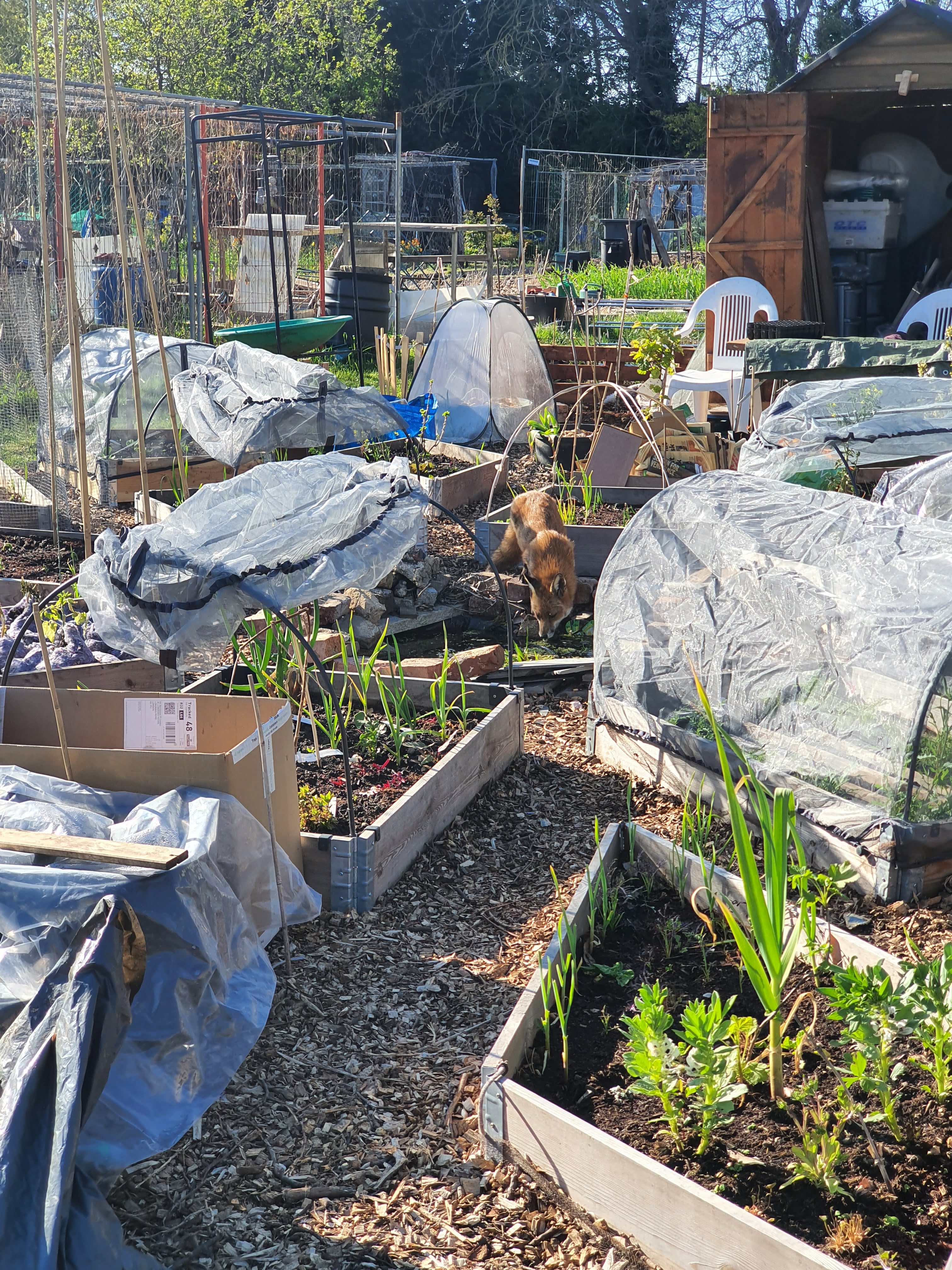
The local allotment fox comes to visit – for a little drink at the pond.

This year I opened up the site to a weekly session for volunteers – if you’d like to join our WhatsApp group – and come to one of the sessions, please let me know!

I am also on a 9-month placement at Organiclea – this is to develop my skills in working with fruiting plants – trees, bushes, etc.

I am also involved in Time to Grow and the Waltham Forest Food Growers Network and Capital Growth. I am interested in food sovereignty though learning and practicing growing as much food as possible – so that I can share this with others.

Climate Resilience – I am trained in leading Climate Cafes and Climate Fresk workshops. I am running workshops on this soon – and if you are interested, please let me know so that I can inform you of them.

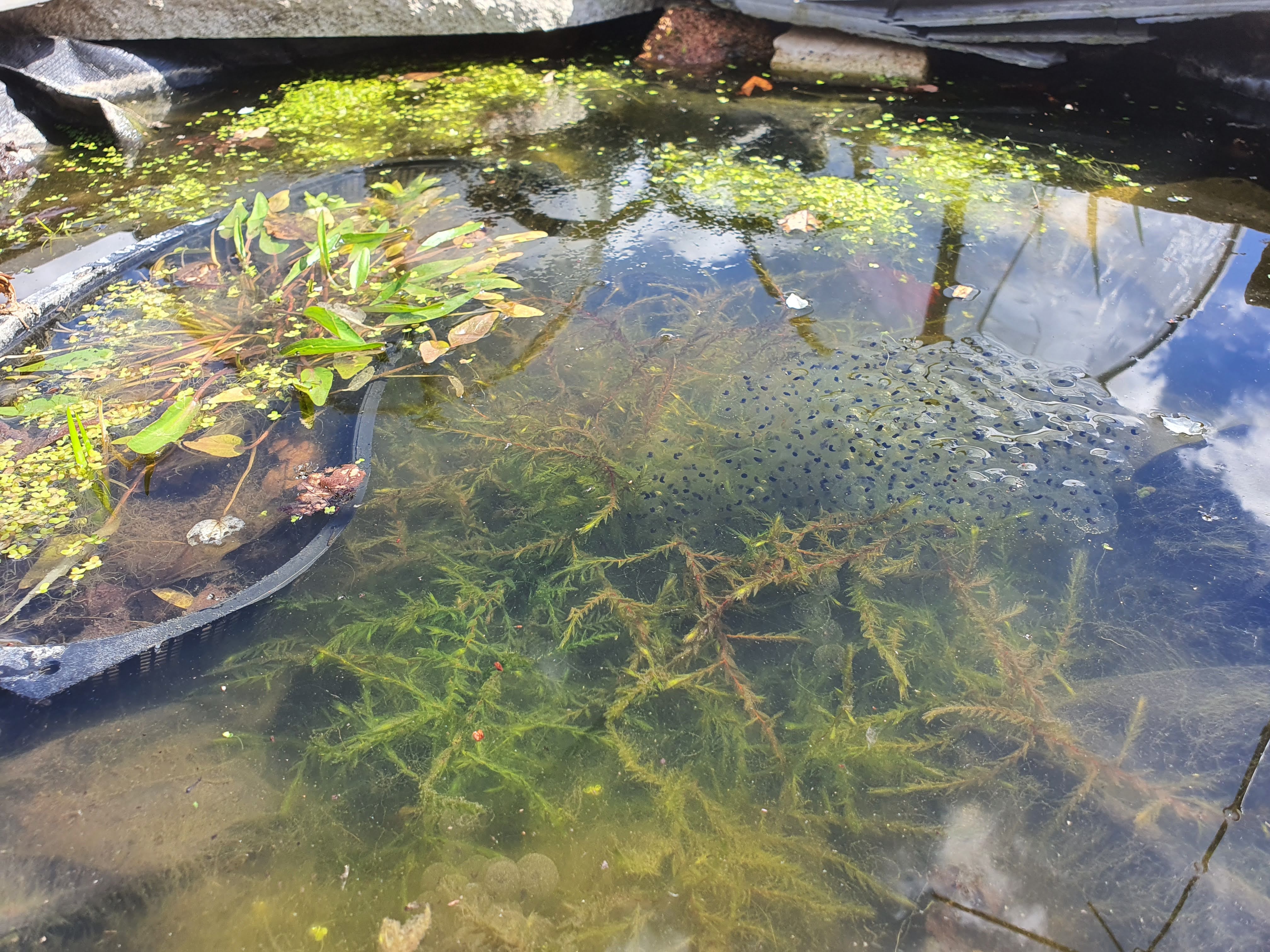
The pond is a delight – especially with all the tadpoles and the variety of creatures that are living in it.

Buddhism and Shamanism: Compassion for All Beings

And think of every living thing without exception:
the weak and the strong, from the smallest to the largest, whether you can see them or not, living nearby or far away, beings living now or yet to arise –
may all beings become happy in their heart of hearts!

This quote is from the Kariniya Metta Sutta, the Buddha’s words on compassion – it encourages well wishes to all beings. It invites us to develop metta: loving kindness – unconditional good will towards all beings – whether visible or invisible.

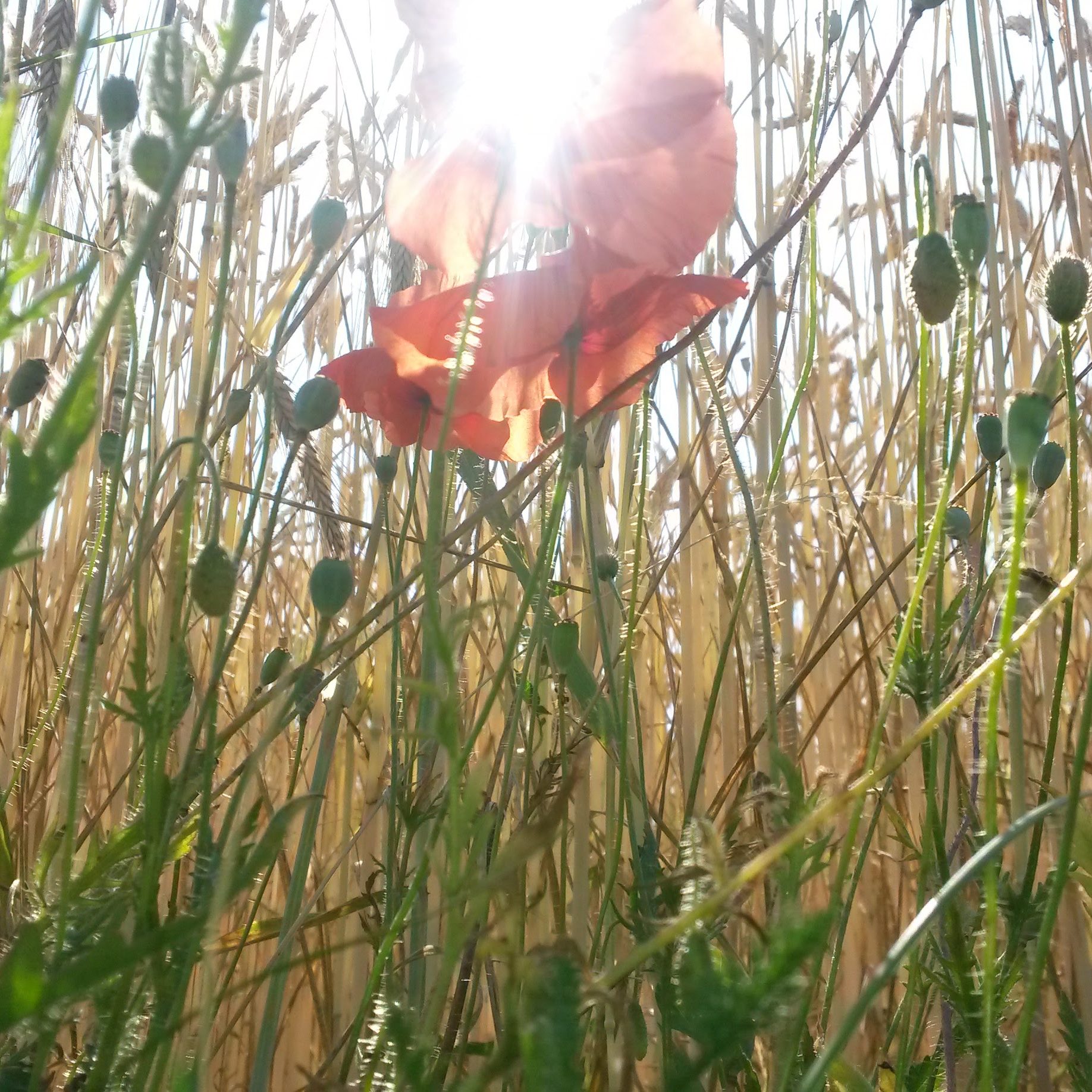
Poppy flower – a being dancing in the sunlight, in a wheatfield.

So what is it to be invisible, not to be seen or acknowledged? What is it to simply be overlooked – as if you do not even exist? It is these beings that I wish to consider – to bring into a greater sphere of compassionate awareness. Mettā is one of the four “divine abodes” (Pali: brahmavihāra) – this includes feeling happy when others are happy. It includes feeling compassion when others suffer. In short, feeling interconnected with all beings.

The result… interpersonal harmony, meditative concentration, our own wellbeing regardless of what is happening around, regardless of external circumstances. This is happiness indeed! Mettā is indeed one of the ten “perfections” (pāramī) that facilitates the attainment of awakening – Bodhi – itself.

The Buddha taught the practice of loving kindness to help some monks were trying to meditate in a forest. They had became frightened by ‘earth devas’ or ‘forest spirits’ – that were ‘invisible’ to them. Through mettā they began to radiate loving-kindness. The invisible beings settled, and left the monks to meditate peacefully amongst them.

Sunlight on a stream, interacting living elementals within the realm of space

Shamanism is embedded in animism. It recognises how our states of heart-mind affect the living space around – visible or invisible. Our thoughts, words, actions evoke resonances though the time-space continuum. These can hurt and harm others, energetically, mentally or physically. Shamanism includes practices to remove harmful ‘intrusions’ and re-establish harmony in a person and their environment.

This animist paradigm exists globally, across cultures. Shamanism is the practical engagement with an animate universe. The universe is alive, our actions, thoughts and words have effects on others. This is the basis of the ethics of Buddhism too. By empathizing with others though loving kindness and compassion, we become free – and non-violent.

Let’s acknowledge invisible beings – nature spirits, devas, earth spirits – and that they also suffer as a result of human activity. Let’s acknowledge that a minority of human on the planet do the majority of the damage. Here is an example. If you have the power and privilege to be able to travel by plane then you are in the top 10% of people creating 80% of the air pollution on the planet. We are complicit in contributing to countless lives lost to flooding, fires or starvation.

Let’s follow the teachings of Buddhism and the practices of Shamanism to develop compassion and loving kindness, creating compassionate thoughts, words and deeds.

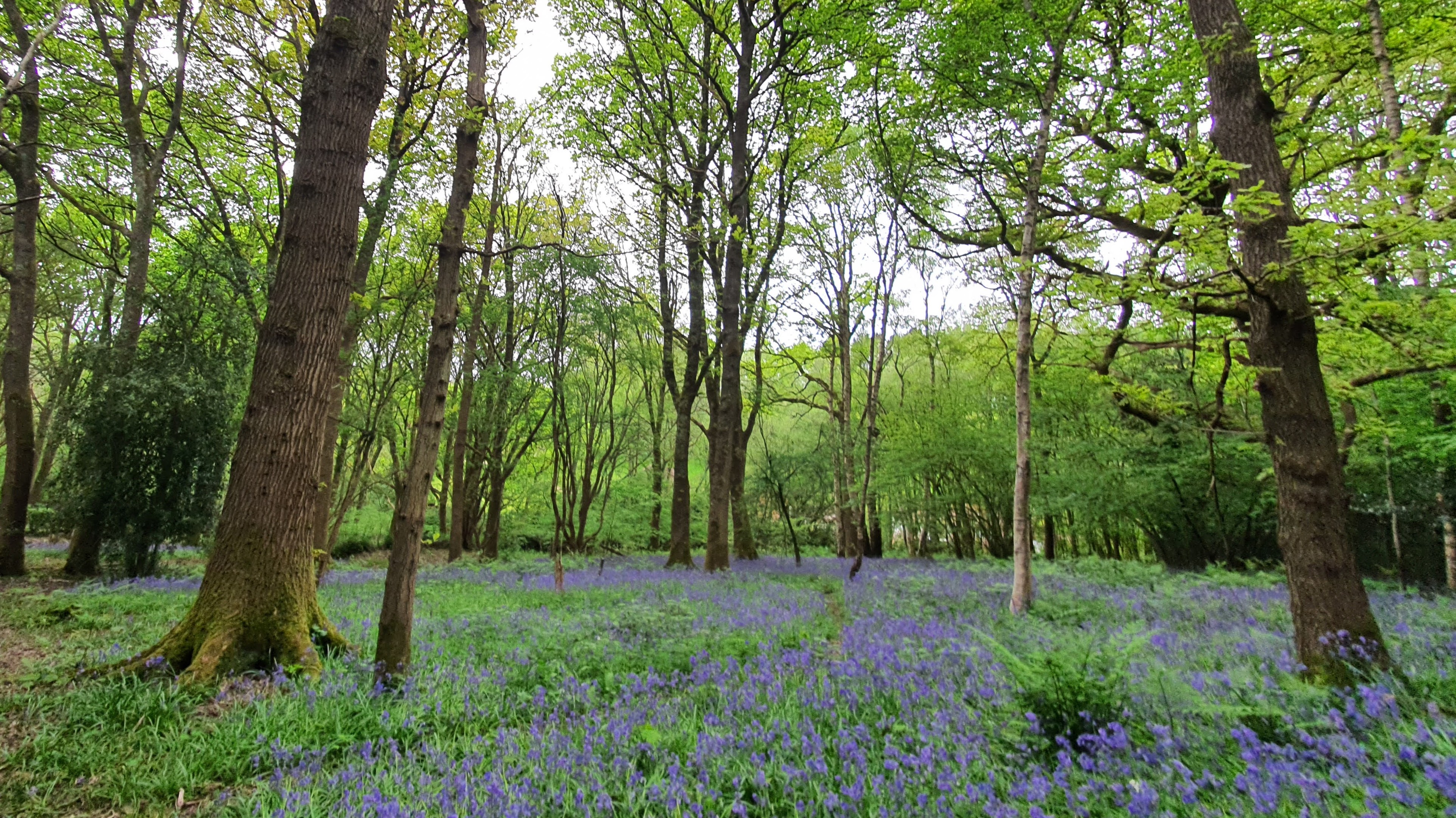
Bluebells protected by tree spirits and a living sign of spring and the uprising energy of renewal

Empower Yourself with Shamanic Counselling

Classical Shamanic Counselling is individual training to learn how to become one’s own ‘shaman’, being able to undertake shamanic journeying independently. If this interests you please contact me to schedule an initial chat.

Shamanism is humanity’s oldest spiritual tradition, dating back at least 40,000 years to the earliest days of human consciousness. It is not a religion but rather a body of spiritual techniques. Its distinguishing methodology is the art of moving ‘outside of time’ and thereby enabling the shaman to contact and communicate with – to be in the company of – wise, compassionate and transcendent beings. This is done for the purposes of healing and problem solving on behalf of oneself and others.

Shamanic journeying involves shifting one’s consciousness to experience more than ‘ordinary’, everyday reality – this is the informative, creative, healing and imaginal realm known as ‘non-ordinary reality’.

Training in the method is undertaken over six in-person sessions, each lasting about 1 1/2 to 2 hours. The sessions involve teaching you a method session by session. The aim is to empower you to undertake shamanic journeys independently to obtain reliable answers to important life questions – to be able to communicate with the ‘true counsellors’, transcended, loving, helpful ‘spirits’ or ‘beings’ that exist all around us. 

The objective of Shamanic Counselling is to restore or enhance spiritual power and authority for use in everyday life – in essence to become empowered to become your own shaman and gain the answers to important life questions. These questions may deal with many issues, such as physical, emotional or spiritual health, work, relationships, fears, phobias and addictions.

If Shamanic Counselling interests you please be in touch with me to schedule an initial chat. Please be aware that while this training is free, there are limited spaces available and I am in training under supervision.

EMDR: A unique and powerful therapy

What is EMDR? Eye Movement Desensitisation and Reprocessing (EMDR) is a unique, powerful therapy that helps people recover from problems triggered by distressing and even traumatic events in their lives. Experiencing such events can cause problems, including flashbacks, upsetting thoughts or images, depression or anxiety.

Who can benefit from EMDR? EMDR is recognised by the National Institute for Health and Care Excellence (NICE) as a treatment for post-traumatic stress disorder (PTSD), and the World Health Organisation (WHO), which also recognises it as an effective treatment for children. Overall, EMDR can help with a range of mental health conditions in people of all ages including depression and anxiety.

Who can deliver EMDR? EMDR is a complex therapeutic process that should always be delivered by properly trained therapists. In 2022, Guhyasakhi (Bernadette) Carelse completed training with EMDR Works, and became registered with the EMDR Association as a EMDR Therapist in Training.

There are more than 10,000 trained EMDR therapists in the UK alone, and it has helped millions of people worldwide. EMDR is internationally recognised and EMDR therapy is endorsed by many well known organisations, including the National Institute for Health and Care Excellence, the International Society for Traumatic Stress Studies, the NHS (in the UK) and many other bodies.

How does it work? EMDR stops difficult memories causing so much distress by helping the mind (using the neurology of the brain and body) to ‘reprocess’ these experiences. It works with with memory, movements of the body and present moment attention (mindfulness) to heal the legacy of past pain. Thus, it is effective in overcoming and healing from the effects of trauma.

When a person is involved in a traumatic event, they may feel overwhelmed and their brain may be unable to fully process what is going on. The memory of the event seems to become “stuck” so that it remains very intense and vivid. The person can re-experience what they saw, heard and smelt and the full force of the distress they felt whenever the memory comes to mind.

EMDR aims to help the mind to work more freely once again – to “unstick” -and reprocess the memory properly so that it is no longer so intense. It also helps to desensitise the person to the emotional impact of the memory, so that they can think about the event without experiencing such strong feelings.

What happens during a session? During the EMDR session, the person is supported in being able to recall the traumatic event while they also experiencing some side-to-side sensations – moving their eyes from side-to-side, hear a sound in each ear alternately, or feel a tap on each hand alternately. These side-to-side sensations – known as bilateral stimulation – seem to effectively stimulate the “stuck” processing system in the brain so that it can reprocess the information more like an ordinary memory, reducing its intensity.

The effect may be similar to what occurs naturally during REM (Rapid Eye Movement) sleep, when your eyes move rapidly from side to side as the brain processes the events of the day. It is possible that EMDR is effective because concentrating on a present moment task whilst processing a distressing memory gives the brain an opportunity to connect the past with the present. In effect the memory is processed in the present context, enabling the person to remember the event with new meaning and in a more helpful and manageable way.

How can I get EMDR and other holistic therapy sessions with Guhyasakhi? To book a session of therapy with Guhyasakhi (Bernadette) Carelse, you are very welcome to contact her directly. To book a therapy session and for more information, see here.

The Doctor Who Gave Up Drugs S2E1 on BBC1: how mindfulness can help children with ADHD and their families

Last autumn, during October 2017, I had the fun and privilege of being filmed with Drs Chris van Tulleken (@DoctorChrisVT), Susan Bogels @SusanBogels and Esther De Bruin as part of a documentary “The Doctor Who Gave Up Drugs” filmed by Raw TV, an award winning production company, for BBC One.

with the drs

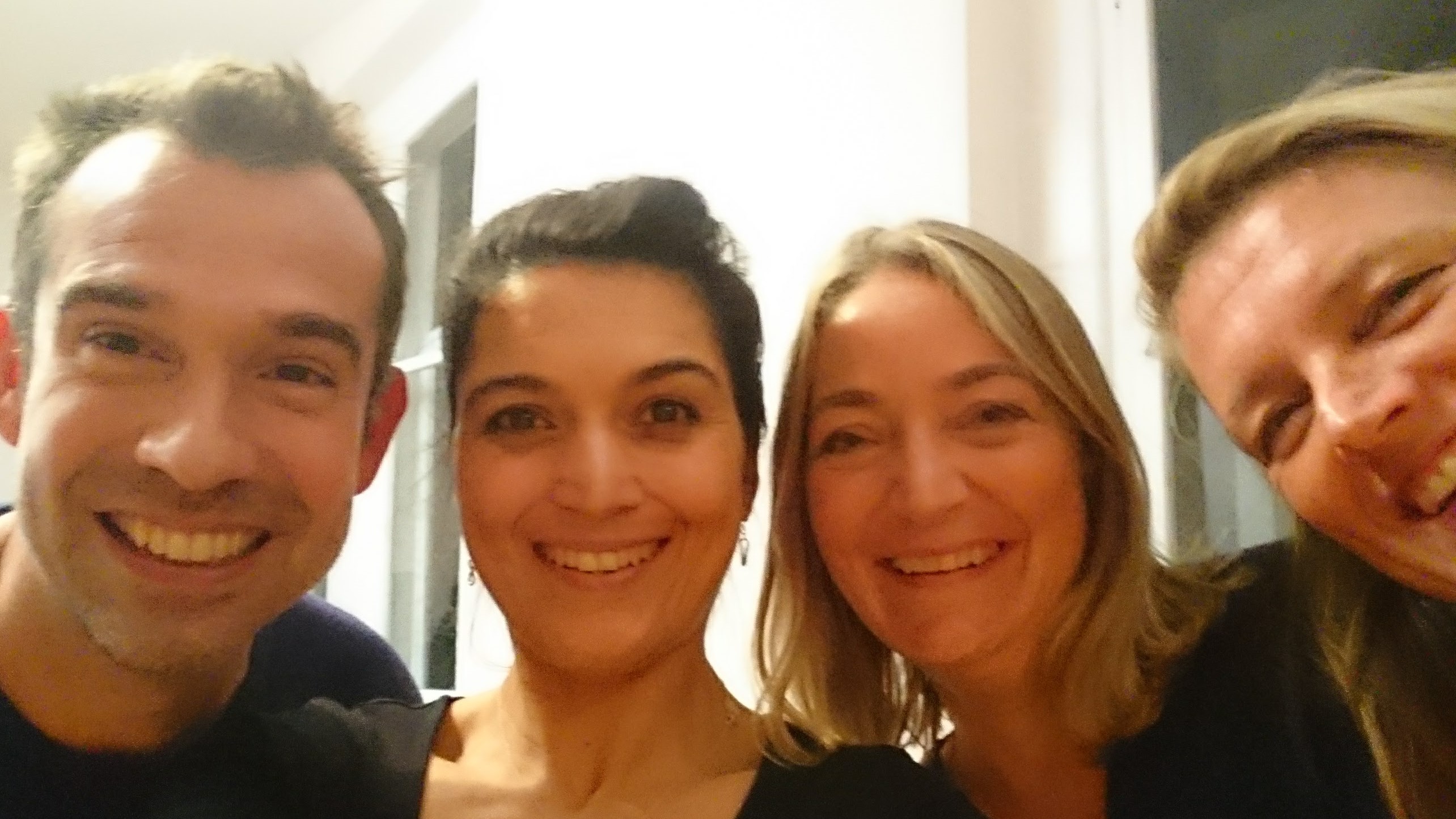
(From left to right) Dr Chris van Tulleken (right), me, Susan and Esther after the last session of filming with the parents and children.

I worked with Susan and Esther, the founders of MYmind an intervention that uses mindfulness to help children with ADHD and their families.  My roles was to run the mindful parenting sessions for the parents.  This took place while the children were learning mindfulness with Susan and Esther in another room.  I also created the audio recordings that the parents listened to with their children at home so that they could continue practicing mindfulness during the week, between the sessions.

I am proud and delighted that we were able to help parents use mindfulness to help their children with ADHD develop attention skills, improve emotional regulation and be better able to manage in school.

The Doctor Who Gave Up Drugs Series 2 Episode 1 aired on BBC yesterday and if you live in the UK you can still see it on iPlayer here.

It was wonderful to work with the parents of the children and share part of their journey with mindfulness and I hope that their experiences may be shared with others.

photo with parents

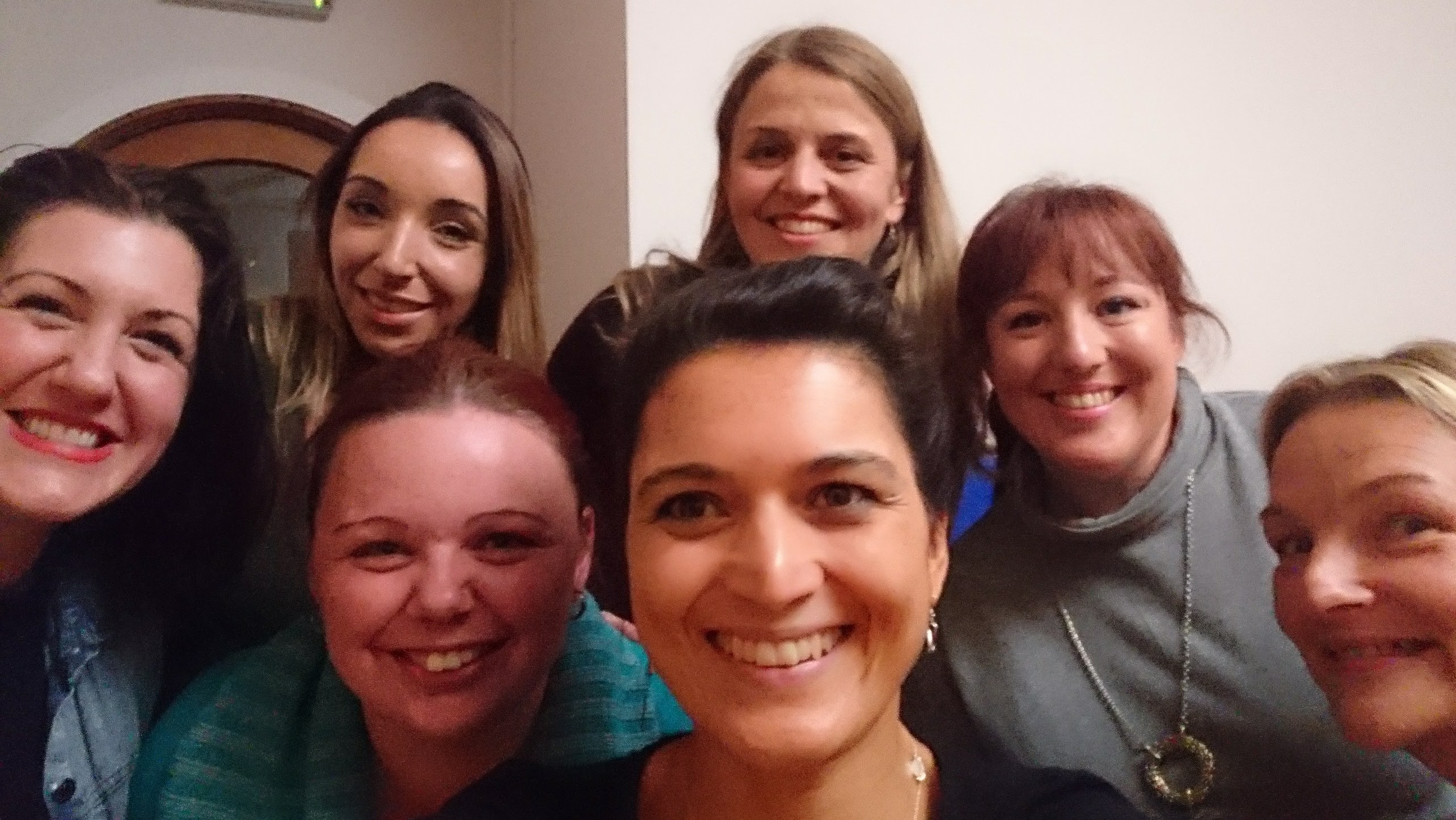
Here I am with the parents who were part of the documentary.

If you are interested in the mindfulness training programme, MyMind for ADHD, you can find out more here.  I was involved because I took part in this training and have experience teaching mindfulness in schools and to children and families.

If you are interested in knowing more about mindfulness, MYmind and ADHD for children and their families, please get in touch with me.

What is MBSR? #mindfulness #MBSR

Mindfulness group 06A

Practicing mindfulness regularly helps enhance neural pathways in the brain, developing a deeper sense of peacefulness, calm and focus.

What is Mindfulness-based Stress Reduction, aka MBSR?  This is the topic of tomorrow night’s Mindfulness Meetup – a taster session being run by Holistic Education CIC.

Substantial research shows that practicing mindfulness regularly can help reduce stress and enhance well-being, confidence and positivity.  Mindfulness is essentially a particular way of paying attention, on purpose and non-judgementally that can enhance the awareness of our experiences, moment by moment.  One of the best ways to learn to practice mindfulness regularly is to attend an MBSR course.

MBSR was originally developed by Dr. Jon Kabat-Zinn and colleagues at the University of Massachusetts Medical Centre (USA) in the 1980s. It is a well-researched and evidence-based mindfulness programme that aims to help participants to develop confidence and skills in practicing mindfulness.  It consists of eight sessions (each between 2 and 3 hours long) and an additional all-day of practice.  It includes theory on how mindfulness works and opportunities to practice.  Home practice is an important part of the course and audio files are available to help with this.

Holistic Education runs regular MBSR courses following training by the University of Bangor’s Centre for Mindfulness Research and Practice and the UK Network of Mindfulness Teachers Good Practice Guidelines.  The next MBSR course will be on Monday evenings from 6:30pm to 9pm from 18 Jan to 14 Mar 2016 (no session on 15 Feb). Included in the course is an Introduction and Orientation session (11 Jan 2016) and a Mindfulness Practice Day, Saturday 6 March 2016, 9am to 3pm.

Eventbrite - Mindfulness-based Stress Reduction (MBSR) in Walthamstow Jan to Mar 2016

Day Workshop on Mindfulness for Educational and Child Psychologists and those working in schools: an update

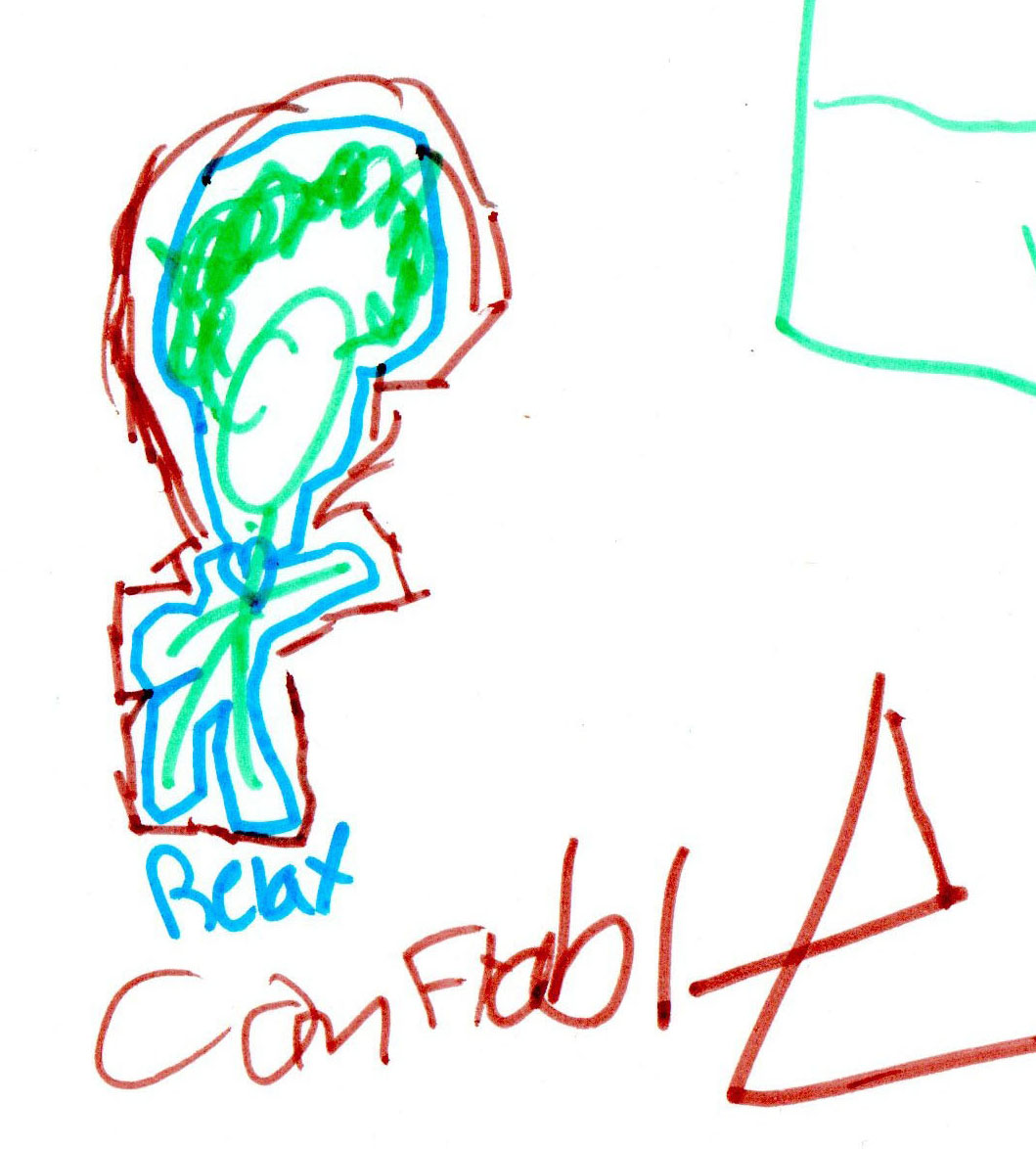
Work with children includes using drawings to help them to express their experiences of mindfulness.  Here a child drew how he felt relaxed and comfortable all over his body.

Work with children includes using drawings to help them to express their experiences of mindfulness. Here a child drew how he felt relaxed and comfortable all over his body.

Educational and Child Psychologists have an essential role in schools and work with school staff, families, children and young people.  They apply psychology in a range of educational contexts to help children and young people make progress with learning.

Difficulties with learning may be due to factors that cannot be changed, such as autism or medical needs.  However, they may be also due to factors can be changed – such as the ability to pay attention and regulate emotions. Substantial research evidence shows that mindfulness, a form of training in body-mind integration, can help improve attention, learning potential, working memory capacity and mental health and wellbeing.  Those working in schools can help children and young people become  better able to manage difficult feelings, such as anger, anxiety and low mood.

This workshop is an opportunity for educational and child psychologists and others working in schools to learn about mindfulness and how it can be used as an intervention in schools.  It provides a theoretical and practical overview of mindfulness, including the research evidence for its benefits.  It gives an insight into how mindfulness training may be adapted for those with Special Educational Needs and Disability (SEND) and includes information on the Mindfulness-based Awareness Training (MBAT) intervention that was developed through doctoral research. Though training and support on how to integrate mindfulness into their lives, children and young people can enhance their potential to pay attention and learn.

To learn more about this and to attend a workshop, click here or contact me by email.

Best wishes, Bernadette

Mindfulness Meetup 13 April 2015: Participant Feedback

Practicing mindfulness regularly helps enhance neural pathways in the brain, developing a deeper sense of peacefulness, clam and focus.

Practicing mindfulness regularly helps enhance neural pathways in the brain, developing a deeper sense of peacefulness, clam and focus.

On Monday 13 April, I ran another Mindfulness Meetup session in Walthamstow.  Here is some of the feedback:

[I gained] “sense of peace”, “understanding of the rapidity and quality of thoughts”.

[what went well was] “being aware of every part of my body – appreciation”. “Mind slowed down – relaxation”.

“I liked how it flowed and clock time seemed to be irrelevant for the whole evening. Useful and relaxing approach to body and mind feel more accepting of my mind!”

“Easy atmosphere”. “I would like to do the eight-week course”.

[What I’ve found useful was] “the introduction of movement to keep the mind focused.”

“It was good to concentrate on the breathing.”

One of the quotes appear to be from someone who had done some mindfulness training before:”All good. Good “revisit” of body/ breath/ sound scan.will attend two emails for more “boosters” to my rudimentary daily practice.”

Would you like to come to one of the Mindfulness Meet ups?  For more information see the mindfulness meet up page.  For more information and to book on the next Mindfulness Meetup please go to the Eventbrite booking page.   Remember that there are discounts for those working in educational settings, students and those on low incomes. for more information about mindfulness meet ups and the promotional codes, please contact me.

Mindfulness Meet Up 23/3/15: Your feedback

Mindfulness Meet Up in Walthamstow are happening nearly every month.

Mindfulness Meet Up in Walthamstow are happening nearly every month.

Mindfulness Meetups started in Walthamstow in 2014.  Thank you to those who have attended so far and thanks to those who came last Monday.  These sessions are designed to get people practicing mindfulness together, whether they are beginners or experienced practitioners.

Last Monday, ten people attended, including myself: five beginners  and five who had done some training such as a Mindfulness-based Stress Reduction Course or similar.

We started with a 3-minute Breathing Space, a short time sitting in silence focusing on being here, ‘arriving’ into the present moment more fully as it were.  After the introductions we did a short sitting practice, some Mindful Movement and then a longer sitting practice. Here is some of the feedback:

It was a nice introduction to a variety of mindfulness techniques.

The 20 minutes at the end was good and gave me time to relax, let go.

I really focused on the ‘bringing wellness’ to particular body parts in today’s practice.  It was useful bringing that to specific body parts.

I was good listening to others and observing the difference between those new to the practice and those more experienced.

I enjoyed mindfulness in a group.

I gained a sense of “trust” – effortless effort in bringing our attention to loving ourselves, just focusing on ourselves.

I gained a feeling of calm and relaxation.

I enjoyed feeling more relaxed and felt an understanding of my body.

I learned new ways of practicing – every teacher is different.

I enjoyed the practices.  I feel I’m improving and concentrating on them.

I hope that this feedback inspires you to come along to a Mindfulness Meetup in Walthamstow, a brilliant opportunity to practice mindfulness with others.

Warm wishes,  Bernadette