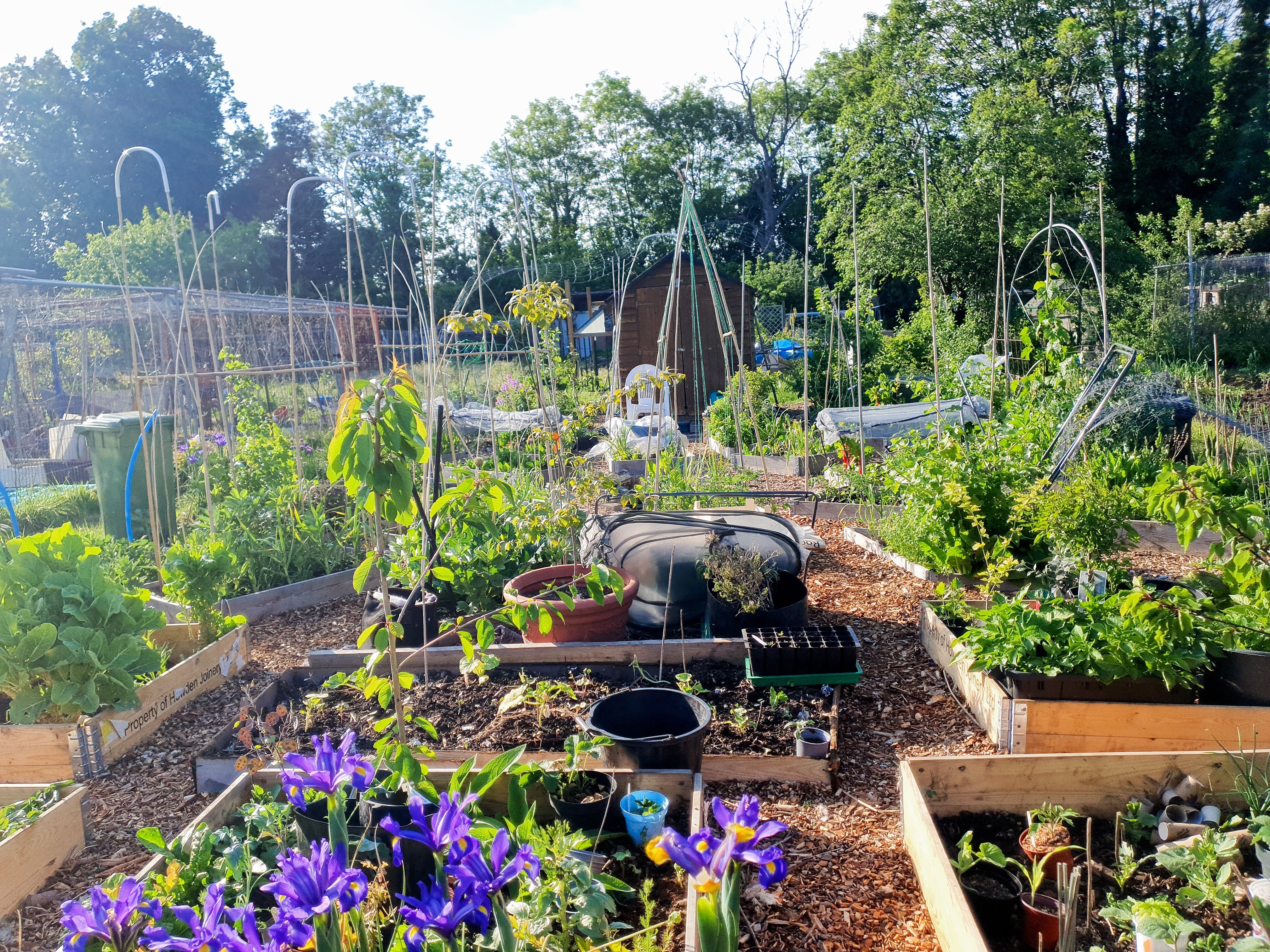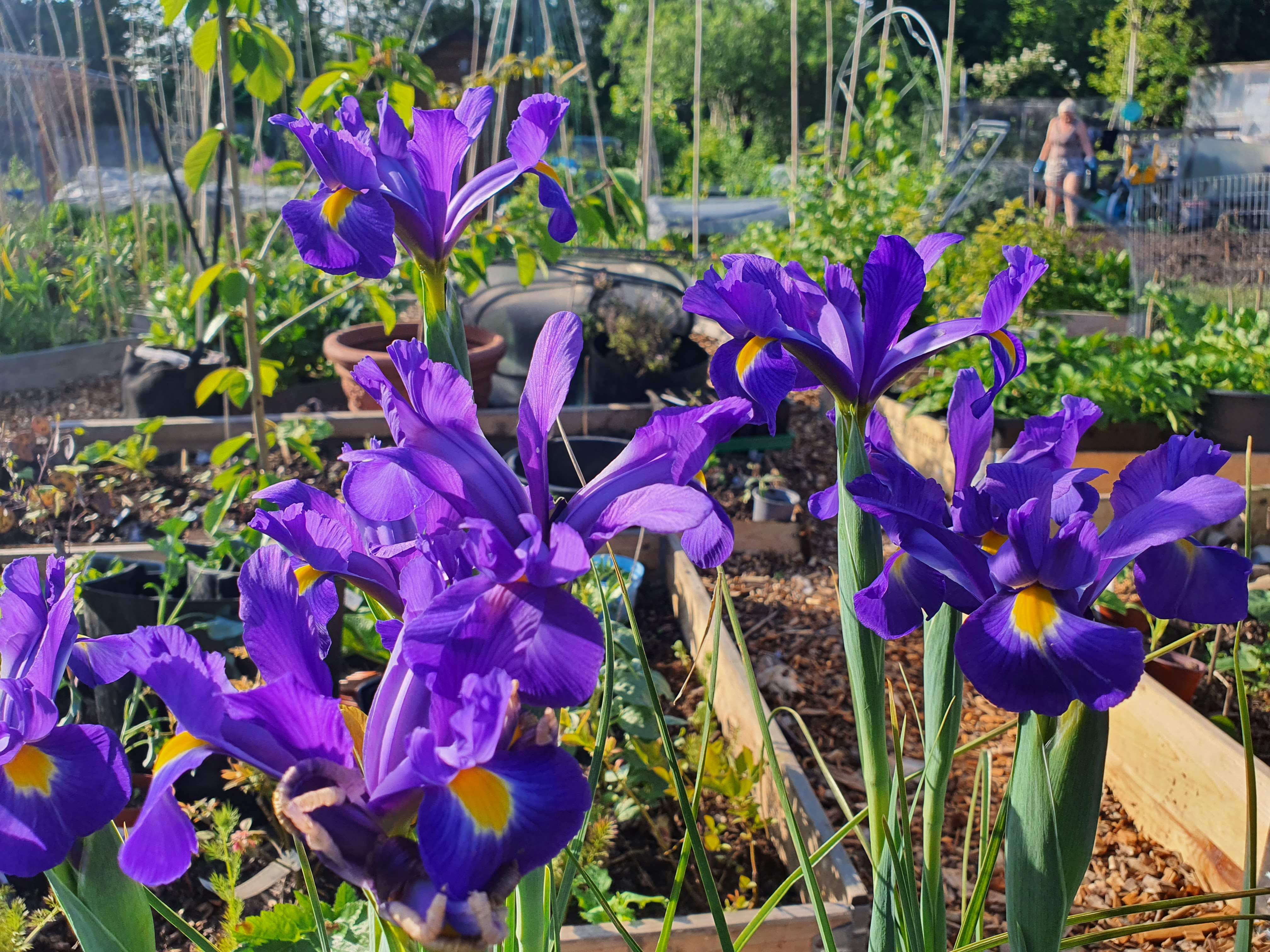
Yes, you read that right.
I am growing plants for food and friendship. Plants can be allies – friends – helpful companions, beings with who we can share joy and company with. Well, we may not have a deep and meaningful philosophical conversation, at least not in the vernacular. Though, what about on the level of the heart-mind, the lived experience of presence – communicating with intent, reciprocal communication – the answer is yes.
I am not alone in this exploration of an interactive way of relating to plants. I was intrigued to learn more about this at the Listening to the Land Day in January this year – communication with the many beings in the universe is possible – the universe is alive.
It was here that I met Nathaniel Hughes, founder of the School of Intuitive Herbalism and author of Wild Enchantments – exquisitely illustrated by Fiona Owens. And we discovered we both knew the movement artist and anthropologist, Claire Loussouarn, author of How to be Feral: Movement Practices to Rewild Your Body. Claire is also an Intuitive Herbalist and regularly runs Plant Meetings, offering group and 1-to-1 sessions. I’ve been to both and highly recommended them. Engaging deeply with plants following her guidance, has been, for me, a moving, life-affirming and magical experience.
That the universe, and all that is within it, is alive, animate, filled with presence, consciousness, awareness, is nothing new. It was the very cultural context that was taken for granted by our ancestors, across nations, continents. Indeed this was what was in place at the time of the Buddha, and through this, there arises the very conditions that lead to liberation.
…a universe conceived of as dead cannot be a universe in which one stands any chance of attaining Enlightenment.’ to quote Bhante Sangharakshita, in his book “Living with Awareness”
Some ask, what is enlightenment? Enlightenment is a process of liberation. Liberation from what? Simply, liberation from suffering – liberation from being pushed and pulled by wants and desires, regardless of the impact that this has on ourselves and especially deliberately ignoring the impact that this has on others, and thereby perpetuating harm, cruelty and violence.
There is a process that leads to liberation from this. Enlightenment is possible – and mysterious, because it is difficult to put into words because it is ‘beyond words’, beyond conceptual thinking that request language to express itself. This does not make it imaginary – or unreal. Enlightenment, a path to liberation, is not trivial.
There are many ‘hallucinations of modernity’ that need to be overcome to be free – such as the illusion of being separate from others, the illusion of having a fixed ‘self’, or being a fixed person that has to have things done this way or that way, according to what makes ‘me feel good’ – a kind of selfishness that is promoted though ‘modern culture’.
Vanessa Machado de Oliveira, in her book “Outgrowing Modernity: Navigating Complexity, Complicity, and Collapse with Accountability and Compassion” describes these illusions as ‘hallucinations’ because they are so entrenched that we take them as truth when they are unreal.
“By naming these hallucinations, we can begin to expose their influence, metabolize their weight, and open space for relational accountability”, she writes. One hallucination is that there exists some objective reality. “This hallucination assumes that reality is a fixed entity—fully knowable, measurable, and articulable through human perception and constructs.” We are invited to embrace the “layered, entangled, and emergent nature of existence” and in the process, open to diverse ways of knowing, the multiplicities of truth.
I find this work inspiring because I feel invited to awaken from the illusions – hallucinations – that trap me into ‘lifestyle choices’ that cause harm to ourselves and others, including our environment. Part of being a Buddhist is to wake up and change, to reduce harm and suffering.
Touching the Earth, is a way of awakening myself – and through potential inspiration and interconnectedness – ourselves into moments of awakening to the reality of the “layered, entangled, and emergent nature of existence” – moments that can come like individual drops of water falling from the sky, and build into streams and torrents of deeper experiences of insight that are timeless.
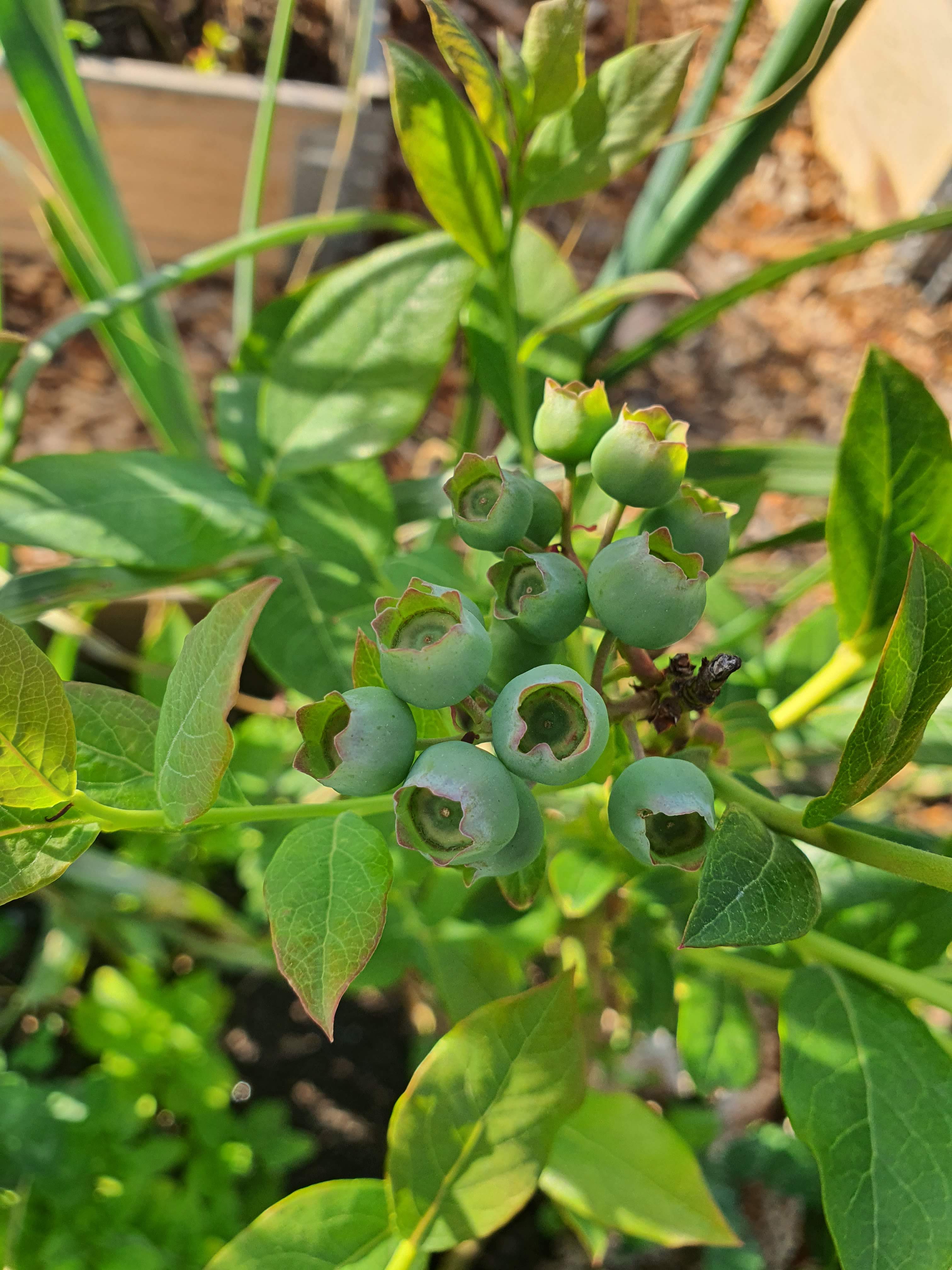
In growing plants for food and friendship, I touch the earth.
I touch the earth to engage – explore the texture of the soil, feel the condition of the world into which I am part. I find myself listening to it deeply with the heart, sensing it – the colour, texture, warmth and coolness, moisture and dryness, pliability and friability. I notice that it varies in smell too – depending on a combination of sweetness of composted matter and putridness of decay and stagnation of water.
All this is information: communication.
All this informs how I respond. The earth is the medium through which the plants can grow. There is an emergent reciprocity – I feel appreciation and gratitude for the food that nourishes and cares for me. And express this in the care and work done on the land, with the soil, the living earth. The plants respond, growing, producing food, nourishment and brining joy, pleasure, health and vitality.
It’s a reciprocal relationship – a friendship.
I wonder, about you, reading this. How is ‘touching the earth’ for you? What are your experiences of growing plants for food and friendship? Engaging with a more-than-human world, including the animate universe?