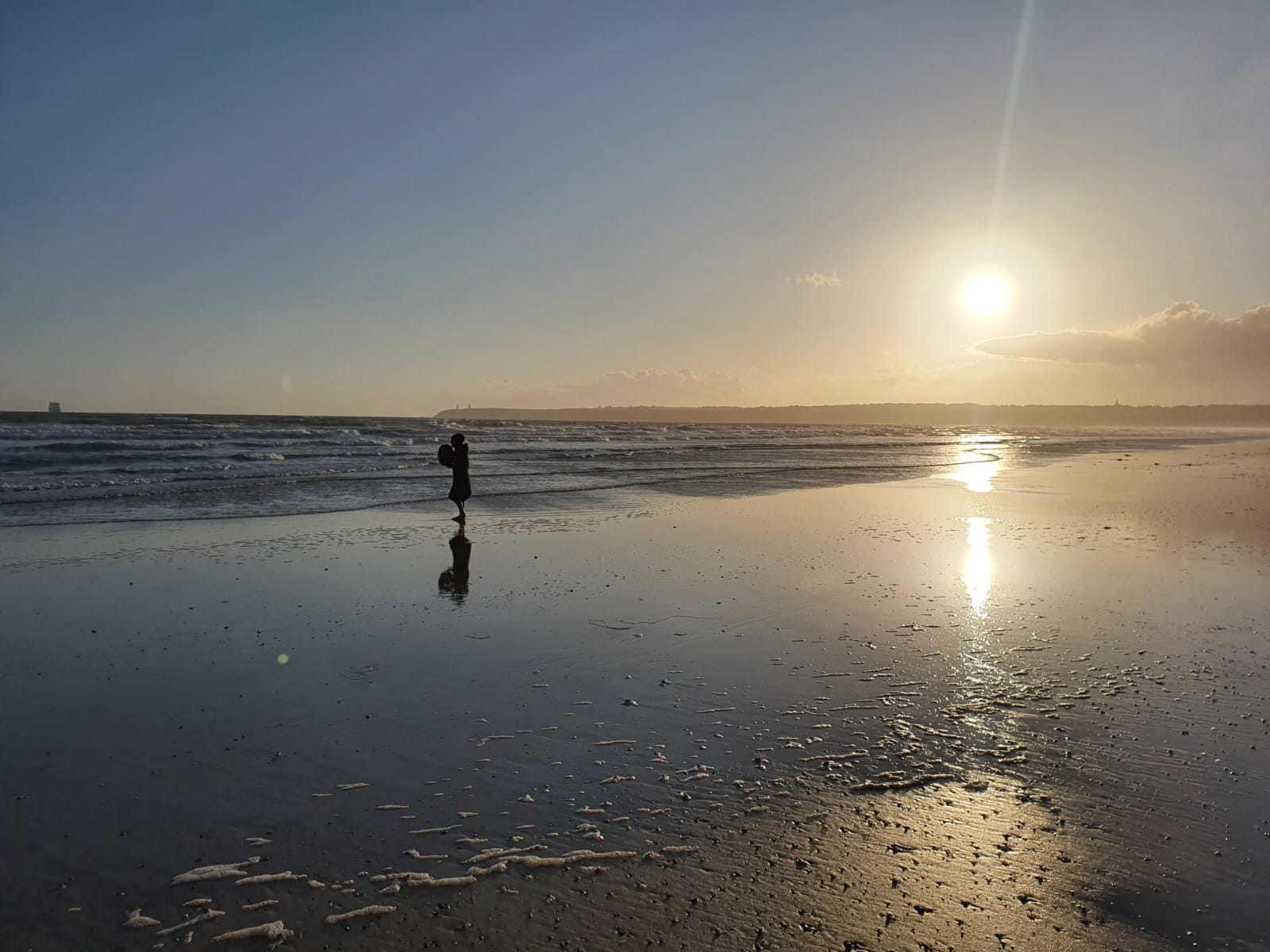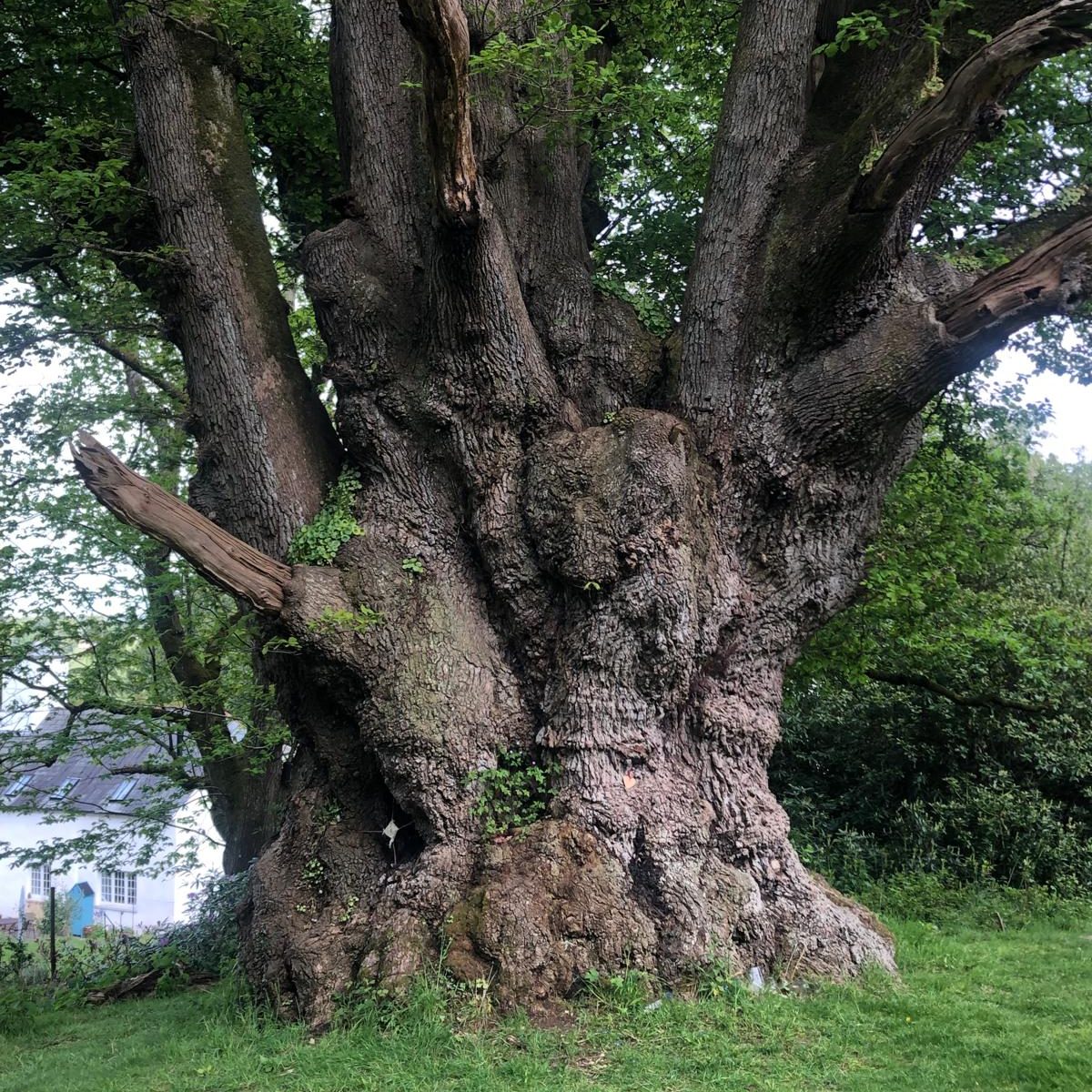
Today I got back from a Buddhism and Deep Ecology Retreat at Alfoxton Park. I was co – leading it with Sanghasiha, a fellow order member in Triratna – and the one who started running Deep Ecology events at the London Buddhist Centre about 15 years ago.
It ran from Thursday 23rd April until today – there were 17 participants – though at times we were joined by a few memebrs of the Alfoxton Community.
Most of us were camping.. and it was especially enjoyable as the weather was so lovely – sunny and bright and not too cold at night – and the facilities at Alfoxton are brilliant and the food excellent – high recommended. See their programme here.
In the morning Sanghasiha gave a talk and lead a ‘Natura bhavana’ – a meditation based on the metta bhavana (cultivation of loving kindness) for developing a deeper, more compassionate and kinder relationship with the natural world – in all their aspects.
And in the afternoon session, I lead a drum journey to support people in connecting to the ‘invisible’ world of spirit and the sacred within. We did journeys to the Lower World of ‘non-ordinary reality’ using the monotonous drumming pattern to support a shift in consciousness to open the gateways of perception and engagement in the ‘spirit’ or invisible world – all can support the development of skills as taught during Shamanic Counselling Sessions.
I also lead a few sessions during the ‘work period’ in the amazing and beautiful permaculture garden. this enabled the option to participate and learn about stewarding the land, engaging in a reciprocal process of food growing. The tasks may seem familiar ones to gardeners and included pricking out seedlings and potting them on, clearing brambles, filling up a raised bed in the new glasshouse, some weeding (of course!) and clarifying the borders of the flower beds. It was all deeply appreciated by the participants and resident gardeners for Alfoxton.
What is Deep Ecology? Deep Ecology emerged in 1972, through Arne Naess, as an environmental philosophy speaking out for all living beings – reminding us of their inherent worth regardless of their instrumental utility to human needs. Then, in 1984: Naess and George Sessions first articulated these principles:
- All living beings have intrinsic value.
- The richness and diversity of life has intrinsic value.
- Humans do not have the right to reduce this diversity and richness.
- It would be better for humans if we were fewer – and much better for other living creatures. Please note that this point can be controversial and I see this as also including the impact that we have on the planet – especially regarding the impact in regards to ‘livestock’ and animal agriculture.
- The extent and nature of human interference in the various ecosystems is unsustainable.
- Decisive improvement requires massive change: social, economic, technological, ideological.
- An ideological change would essentially seek a better quality of life rather than a raised standard of living.
- Those who accept the aforementioned points are responsible for trying to contribute directly or indirectly to the necessary changes.
Deep Ecology is compatible with Buddhism, reminding us that all beings are to be respected, cared for and allowed to live and flourish, independent of any instrumental benefit for humans.
The Triratna Buddhist Community – into which I was ordained in 2021 – also upholds animism. Our Founder, Bhante Shangharakshita declared, in his book, Living with Awareness, “I would go so far as to say that a universe conceived of as dead cannot be a universe in which one stands any chance of attaining Enlightenment.’ Imagine that! Deeply experiencing and appreciating the world as it is – alive, awake, animate – is deeply connected to the path to enlightenment.
Could this also be the essence of shamanic practice? Awakening into awareness of the animate universe as part of the path to fuller liberation from the cycles of death and rebirth?
Deeper questions aside, there is indeed something joyous about the direct experience of the aliveness of the universe, sensing the vibrancy of the sky, the earth, the space in between and being able to resonate with the joy of living in this way. To directly feel connected to this flow, we can truly feel alive in ourselves.