Tag Archives: spirituality

5 Stages of Spiritual Practice… including becoming aware the universe is alive and acting compassionately towards all beings

Can we wake up in an instant? Yes, possibly.. and engaging in the five stages of spiritual practice can make this more likely.

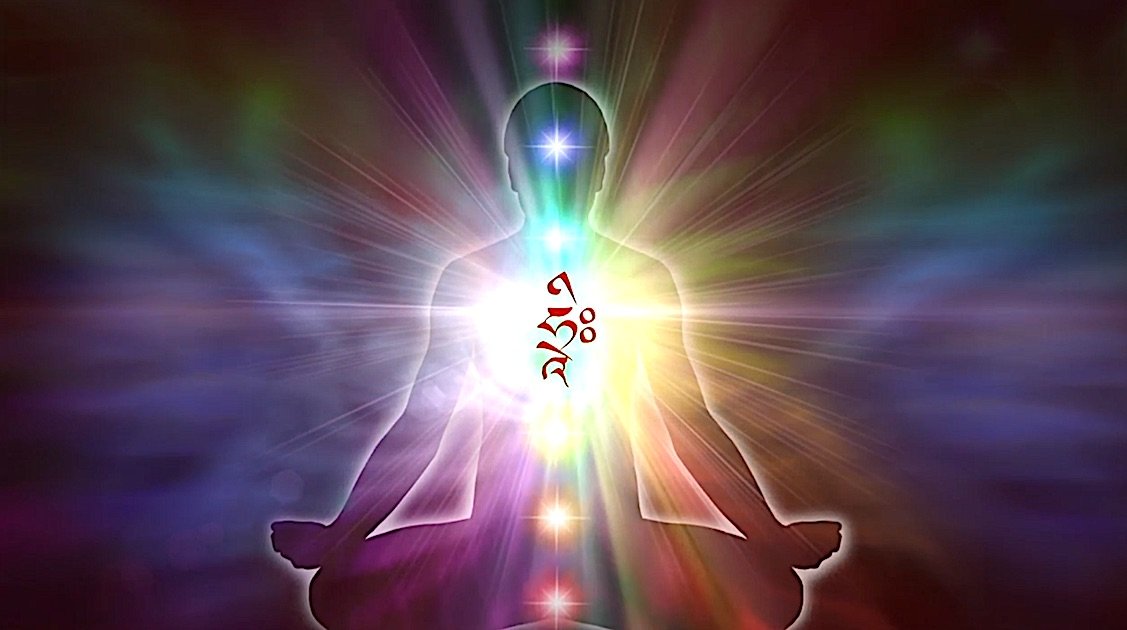
This process begins with healing, becoming whole and closely following this, finding ways to be positive – all in all, happy and healthy. This is followed by ‘death’ of fixed, limiting views and then an emergence into directly experiencing interconnectedness – and potentially, the universe as alive. Finally, spiritual emergence unfolds – a profound understanding and appreciation of live and its preciousness – and engagement in spontaneous compassionate activity.

Here is more detail on each of these stages:

Stage 1: Integration – In this stage, the key meditation practice is mindfulness – including the Mindfulness of Breathing and simply being present with what is arising in the our immediate, embodied experience.

This is itself, in a context of many distractions is a radical revolutionary act of independence, and self-efficacy. Sometimes, we may realise that we need support and this can include engagement in bodywork or healing sessions to address painful past experiences.

Part of mindfulness is also being aware of when we fall short of our aspirations and values. Ethics are a key part of mindfulness – being aware of the effects of our actions on other beings and being aware of our intentions and when unhelpful habitual patterns may be arising so we have an opportunity to do something different.

Stage 2: POSITIVE EMOTION – This phase is about the quality of our attention – cultivating kindness, compassion, joy and overall positivity. Authenticity in this is key – and practices for cultivating emotional positivity include recollection of gratitude, cultivating loving kindness (metta bhavana).

The process enables us to feel delight, bliss and even rapture though opening into embodied levels of deep ‘absorption’ (the dhyānas). This process can reveal areas where we feel less inclusive, towards parts of ourselves, or others, including other humans and non-human beings – so that we can transform this.

A teaching on loving kindness (the Kariniya Metta Sutta) goes, “Whatever living beings there may be, (moving, strong) animals or (still, weak) plant, without exception, whether they are very long or large or middling in size, or short, great or small, whether they are visible or unseen, whether living nearby or far away, whether they are born, or not yet come to be: may all living beings have happiness.” In other words, the aim is to cultivate well wishes towards all beings, regardless of species or material form.

Stage 3: SPIRITUAL DEATH – This process is a progression into wisdom (prajna) and vision, as in seeing the truth in terms of ‘ultimate reality’ with liberation from a ‘fixed self-image’ and habitual delusions that arise from greed, aversion and ignorance. Sometimes this is described as entering the ‘gateless gate’.

Practices for this include contemplation on the elements, on conditioned co-arising, death and impermanence – and thereby recognising truths such as that of impermanence, insubstantiality and the poignant beauty of ’emptiness’ (sunyata).

In the process of drum journeying, there may be a direct experience of letting go of a sense of separateness and individuality, and awakening into interconnected presence.
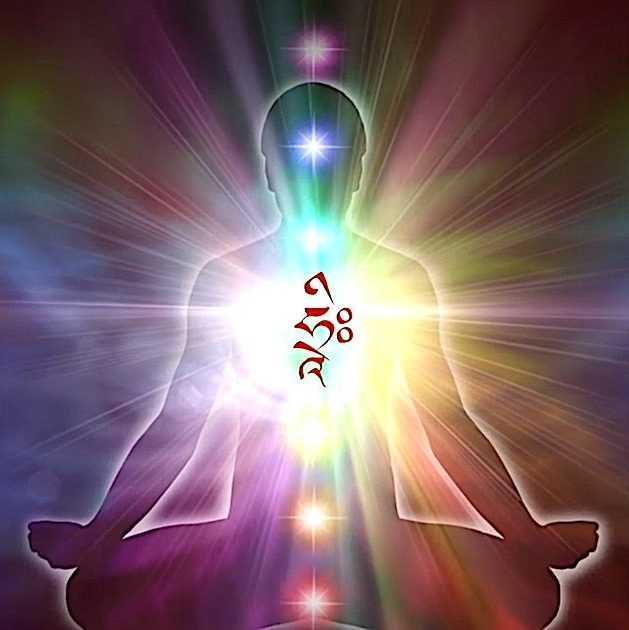
Meditation and spiritual practices enable a dissolution of the vijnana (false understanding) of separateness of self and the living universe.

Stage 4: SPIRITUAL REBIRTH – This stage is about the emergence of insight, wisdom is blended with dhyana and the process is one of transformation inline with the insights that arise – as a result of connection to wisdom energies (dharma Niyama). The practices for this may include visualisation of transcendent beings, such as buddha and bodhisattva figures. This is a stage of emergence transformation through connection with the truth as a living reality.  

Sangharakshita, the founder of the Triratna Buddhist Order, in his book, Living with Awareness, explains, “…a universe conceived of as dead cannot be a universe in which one stands any chance of attaining Enlightenment.’ Indeed Buddhist is a practice of embracing animism.

Through the drum journeying we shift into alterate states of consciousness that enable connection with these experiences and furthermore to gain wisdom and insight into answers to the deeper questions that we may have about our lives – and a profound appreciation of life itself.

Stage 5: COMPASSIONATE ACTIVITY – This stage is one of receptivity, a kind of ‘non-practice’, such as ‘just sitting’ and spontaneous compassionate activity – an overflow of enlightened presence and effortless compassionate being – as though a supra-personal force is flowing through one – the awakened consciousness or ‘will to enlightenment’ (bodhicitta).

Sangharakshita provides a summary of this system of practice – an edited extract from a seminar Nagarjuna’s Precious Garland – “All the time, every day, one has got five things to practice, as best you can, simultaneously:

  1. One keeps up the effort to be mindful and aware and to be as integrated as possible. 
  2. One remains in as positive a mental state as one possibly can. 
  3. One does not lose sight of one’s ultimate goal at any time. 
  4. Whatever you have realised/discovered/seen on the highest level of your being at any time, you try to apply this to practice at every level. 
  5. You do what you can to help people.  This is your spiritual life. All the other teachings on the Buddhist path are contained in this, in principle.”

In essence the key is to help all beings, human and non-human, awakened into awareness of a deeper essential interconnectedness.

I hope that this has been helpful.

Wishing you well, Guhyasakhi
User comments

Deep Ecology, teaching meditation and enjoying the allotment

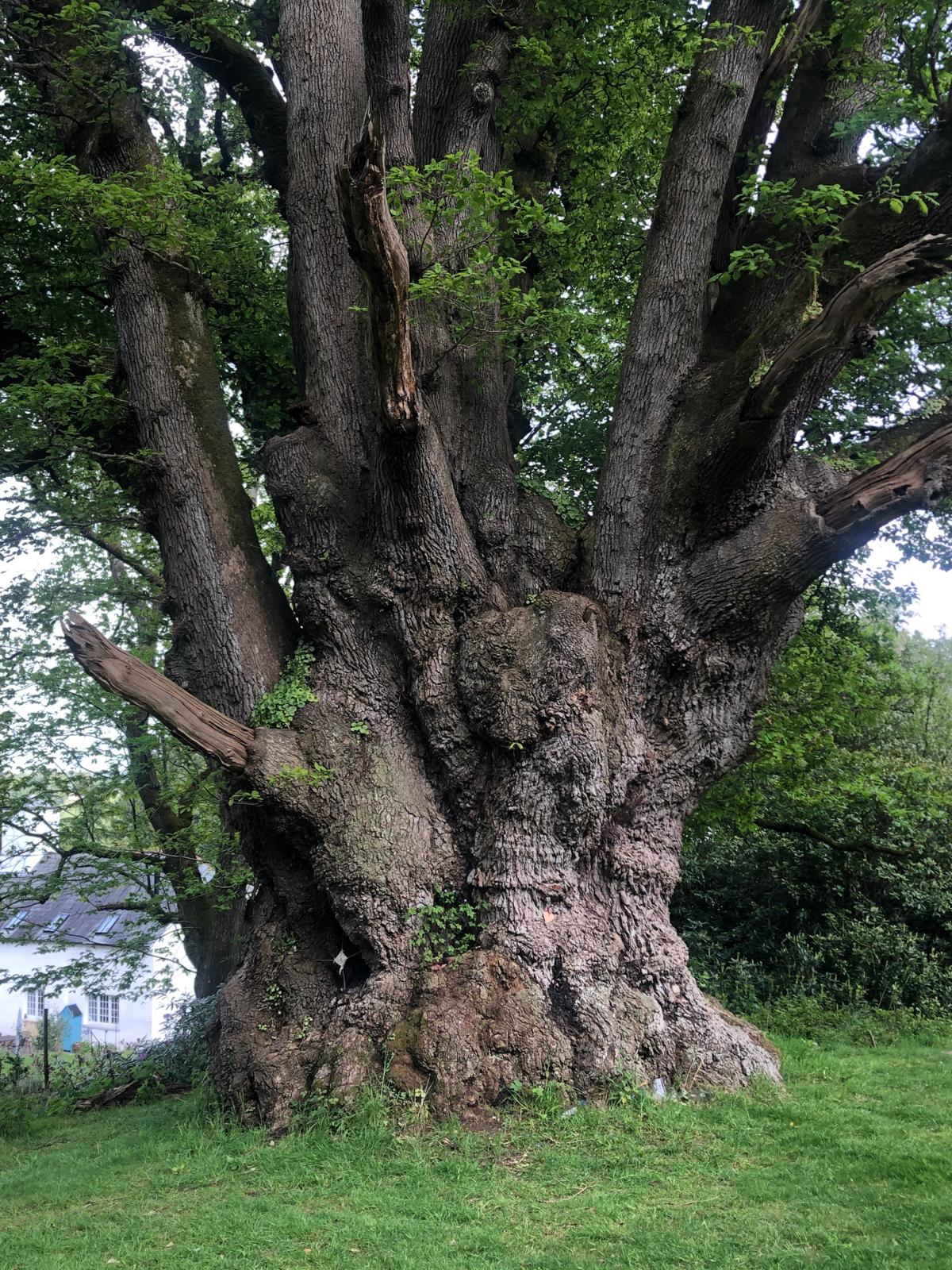
The beautiful 900+ year old Oak Tree at Alfoxton Park – where we had the last Deep Ecology Camping Retreat.

I have had some time to reflect on the pat few months and realise the emergence of a few new themes.. in the process of engaging in retirement (more on that another time perhaps!)

Deep Ecology Days and Retreats – For a few years, I have been co-facilitating Day Retreats and longer Camping Retreats on Buddhism and Deep Ecology with Sanghasiha, another Buddhist Order Member.

This week, we just came back from one at Alfoxton Park Retreat Centre – and in 2025, we are leading sessions in many different Buddhist Centres in the UK.

During the Deep Ecology sessions, I have been teaching Shamanic Journeying – building on providing this on a 1 to 1 basis – Shamanic Counselling and the Shamanic Healing work. Through this, I have been more and more intrigued by Buddhist Shamanic Practices – the world of the Dakinis and the Tibetan ‘Cho’ practice and this practice continues unfolding.

In the months after ordination in 2021

Teaching Buddhism and meditation at the North London Buddhist Centre. On Wednesdays I have had the pleasure of working with Ratnaprabha, another Order member and a very experienced one too.

I have been enjoying leading some of the teaching sessions on Buddhism and during the lunch-time meditation sessions. This has inspired and been inspired by having a daily meditation and yoga practice.

Offering sessions for volunteers at my allotment – It has been one year since I signed the contract for my allotment. What a journey of mud, sweat and delight – and an abundance of harvests of salad leaves!

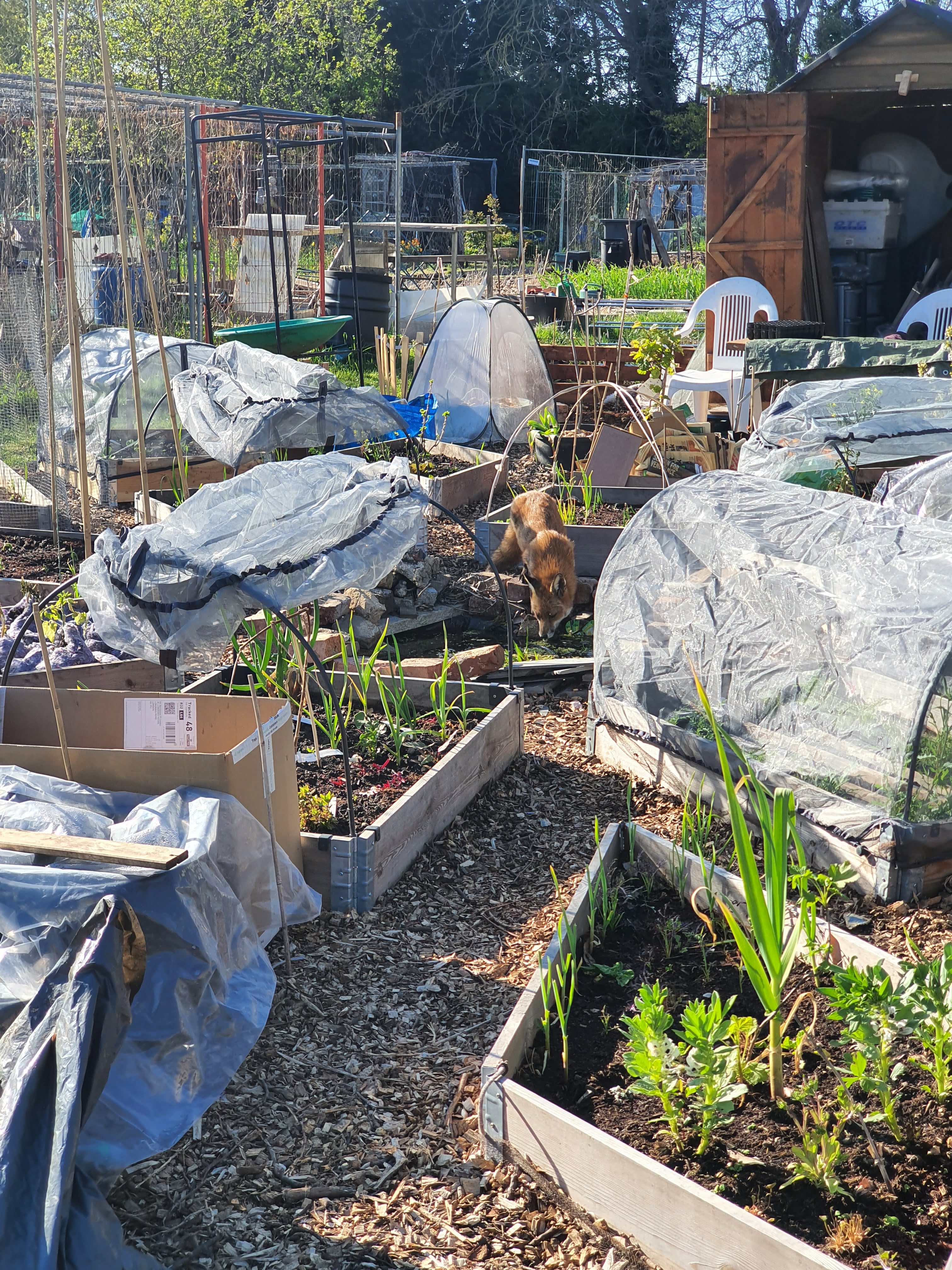
The local allotment fox comes to visit – for a little drink at the pond.

This year I opened up the site to a weekly session for volunteers – if you’d like to join our WhatsApp group – and come to one of the sessions, please let me know!

I am also on a 9-month placement at Organiclea – this is to develop my skills in working with fruiting plants – trees, bushes, etc.

I am also involved in Time to Grow and the Waltham Forest Food Growers Network and Capital Growth. I am interested in food sovereignty though learning and practicing growing as much food as possible – so that I can share this with others.

Climate Resilience – I am trained in leading Climate Cafes and Climate Fresk workshops. I am running workshops on this soon – and if you are interested, please let me know so that I can inform you of them.

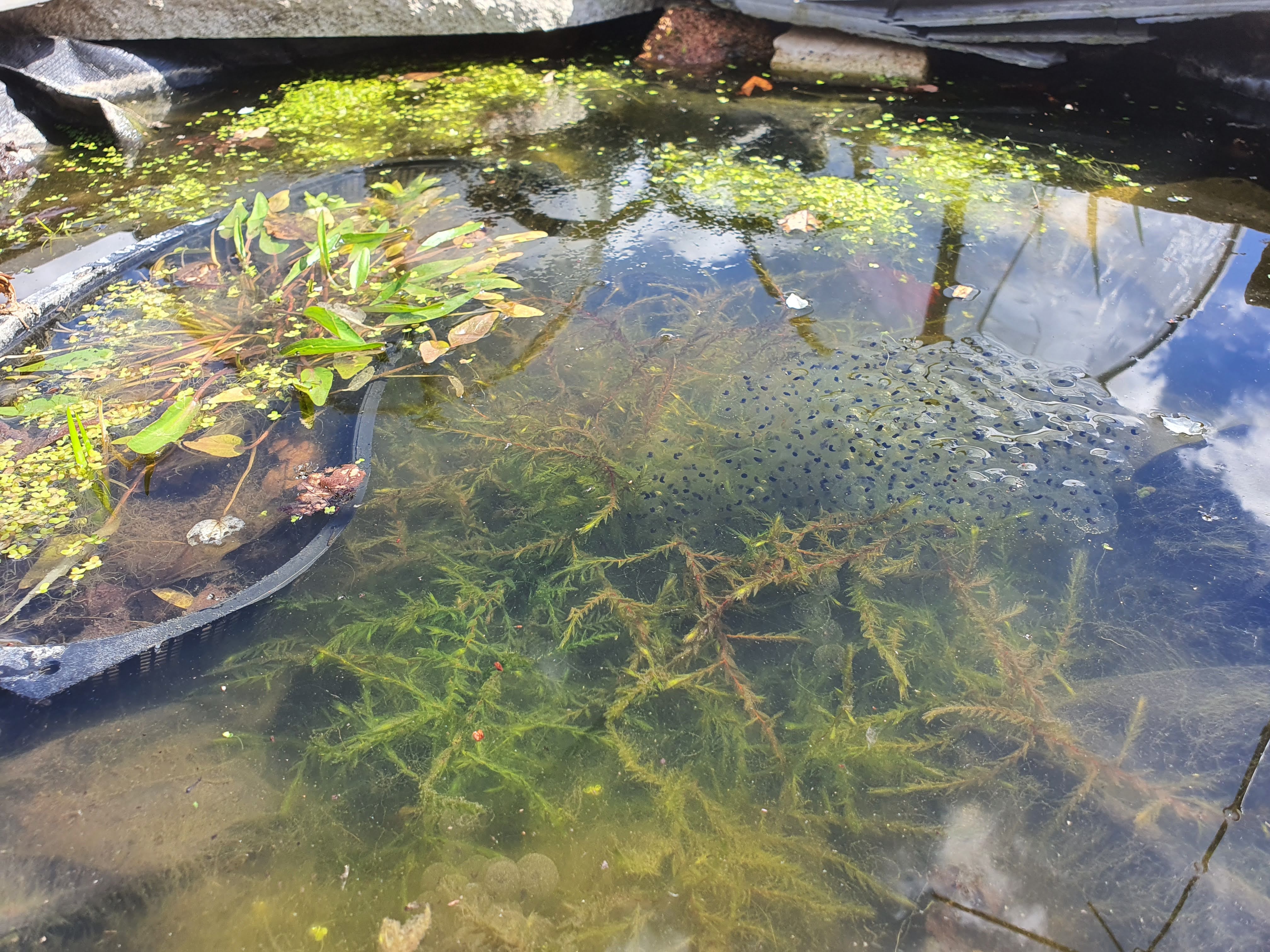
The pond is a delight – especially with all the tadpoles and the variety of creatures that are living in it.

Buddhism and Shamanism: Compassion for All Beings

And think of every living thing without exception:
the weak and the strong, from the smallest to the largest, whether you can see them or not, living nearby or far away, beings living now or yet to arise –
may all beings become happy in their heart of hearts!

This quote is from the Kariniya Metta Sutta, the Buddha’s words on compassion – it encourages well wishes to all beings. It invites us to develop metta: loving kindness – unconditional good will towards all beings – whether visible or invisible.

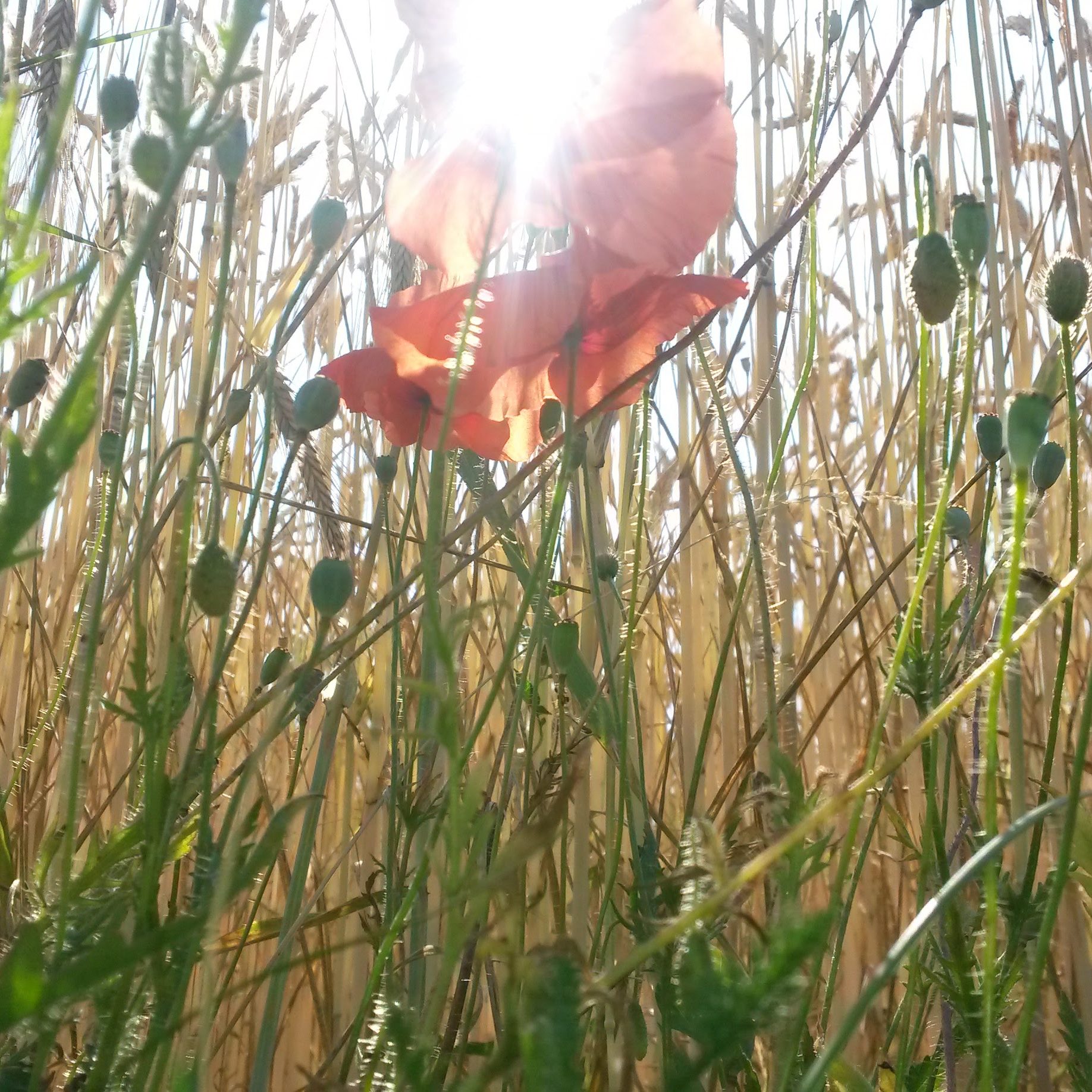
Poppy flower – a being dancing in the sunlight, in a wheatfield.

So what is it to be invisible, not to be seen or acknowledged? What is it to simply be overlooked – as if you do not even exist? It is these beings that I wish to consider – to bring into a greater sphere of compassionate awareness. Mettā is one of the four “divine abodes” (Pali: brahmavihāra) – this includes feeling happy when others are happy. It includes feeling compassion when others suffer. In short, feeling interconnected with all beings.

The result… interpersonal harmony, meditative concentration, our own wellbeing regardless of what is happening around, regardless of external circumstances. This is happiness indeed! Mettā is indeed one of the ten “perfections” (pāramī) that facilitates the attainment of awakening – Bodhi – itself.

The Buddha taught the practice of loving kindness to help some monks were trying to meditate in a forest. They had became frightened by ‘earth devas’ or ‘forest spirits’ – that were ‘invisible’ to them. Through mettā they began to radiate loving-kindness. The invisible beings settled, and left the monks to meditate peacefully amongst them.

Sunlight on a stream, interacting living elementals within the realm of space

Shamanism is embedded in animism. It recognises how our states of heart-mind affect the living space around – visible or invisible. Our thoughts, words, actions evoke resonances though the time-space continuum. These can hurt and harm others, energetically, mentally or physically. Shamanism includes practices to remove harmful ‘intrusions’ and re-establish harmony in a person and their environment.

This animist paradigm exists globally, across cultures. Shamanism is the practical engagement with an animate universe. The universe is alive, our actions, thoughts and words have effects on others. This is the basis of the ethics of Buddhism too. By empathizing with others though loving kindness and compassion, we become free – and non-violent.

Let’s acknowledge invisible beings – nature spirits, devas, earth spirits – and that they also suffer as a result of human activity. Let’s acknowledge that a minority of human on the planet do the majority of the damage. Here is an example. If you have the power and privilege to be able to travel by plane then you are in the top 10% of people creating 80% of the air pollution on the planet. We are complicit in contributing to countless lives lost to flooding, fires or starvation.

Let’s follow the teachings of Buddhism and the practices of Shamanism to develop compassion and loving kindness, creating compassionate thoughts, words and deeds.

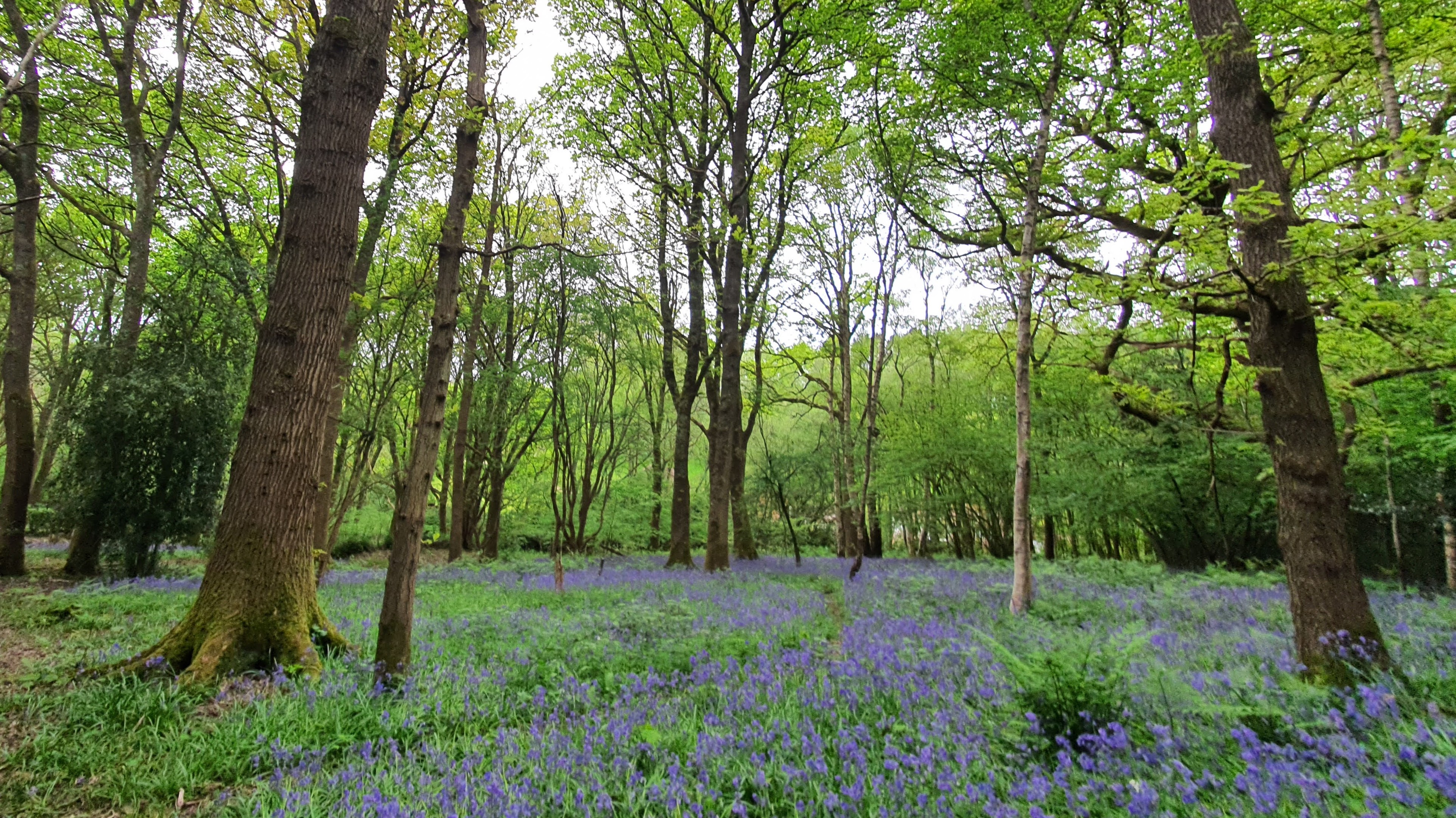
Bluebells protected by tree spirits and a living sign of spring and the uprising energy of renewal

Exploring the Connection Between Shamanism and Buddhism

…a universe conceived of as dead cannot be a universe in which one stands any chance of attaining Enlightenment.’  – Sangharakshita, Living with Awareness

Meditation and spiritual practices enable a dissolution of the ‘false view’ of separateness of ‘self’ and ‘other’ – there is the arising of interconnectedness with the living universe.

What is Shamanism? Indigenous practices of connecting to the non-material or spirit realm have been in place, cross-culturally, for thousands of years.

In Shamanism and Buddhism the universe is alive and sacred and there are practices for directly experiencing this. However, centuries of trauma have lead to disconnection from the realms of ‘non-ordinary reality, the spirit world. This has happened as a result of many factors, including colonialisation, removal of peoples from their ancestral lands and the imposition of oppressive belief systems.

Mircea Eliade explains, in his book, “Shamanism: Archaic Techniques of Ecstasy”, that ‘shamanism’ is pre-eminently a religious phenomenon of Siberia and Central Asia and which may have evolved from the same foundations as Buddhism – and spread as Buddhist teachings and practices also spread.

Indeed the origins of the word “shaman” go to the Tungusic word, šaman – and even further back to the Sanskrit word “Sramana” (श्रमण) which means “a seeker” or “one who toils or exerts themselves for a higher religious purpose”. This correlation presents the shaman as one who “toils”, “labours”, makes effort in practicing to achieve spiritual liberation.

Ancient Oak at Alfoxton Park – a portal to communications with spirits of the land.

While this may be stereotypically associated with an ascetic lifestyle, it is at its heart about seeking enlightenment or liberation through a renunciation of material attachments and deeper connection to the esoteric and spiritual. From this understanding, there is a deep connection between Buddhism and Shamanism.

For the ethnologist, the shaman has been described as a ‘medicine man’, ‘sorcerer’, ‘magician’ or ‘druid’. For those able to interact with the spirit world – the universe perceived as living – there is an understanding of the realms beyond material, dualistic perceptions of ‘ordinary reality’.

In classical shamanism, which I practice and teach to others, the key practice is to form an intention and ‘journey’ though the imaginal consciousness, into the spirit realm. This can include exploring and interacting with the spirit world. This journeying involves altered states of consciousness, such as meditation, trance – and the tool to support a shift in consciousness is the ‘sonic drive’, the repetitive drum beat, delivered at a particular frequency.

The purpose of shamanic journeying can be to clarify answers to life’s questions of to direct spirits or spiritual energies into the physical world for the purpose of healing, divination. All this is to aid the community in some other way, including those in the community who have passed and need support to transcend from connections with the ‘middle realm’. All in all the practice is to restore balance and harmony.

With a primary purpose of helping or healing those in the community, Shamanism expresses the Buddhist ideal of the Bodhisattva. The Bodhisattva is one who vows to attain enlightenment for the benefit all beings. Shamanic practice includes a requirement to practice breaking through the blockages of conditioned existence in order to connect with a ‘living transcendental plane’ – and to do this for the benefit of all beings, including the ancestors, the children and others in the community.

Places in nature that link the sky with the earth are immensely potent as places of healing and communication with the spirit realm.

Empower Yourself with Shamanic Counselling

Classical Shamanic Counselling is individual training to learn how to become one’s own ‘shaman’, being able to undertake shamanic journeying independently. If this interests you please contact me to schedule an initial chat.

Shamanism is humanity’s oldest spiritual tradition, dating back at least 40,000 years to the earliest days of human consciousness. It is not a religion but rather a body of spiritual techniques. Its distinguishing methodology is the art of moving ‘outside of time’ and thereby enabling the shaman to contact and communicate with – to be in the company of – wise, compassionate and transcendent beings. This is done for the purposes of healing and problem solving on behalf of oneself and others.

Shamanic journeying involves shifting one’s consciousness to experience more than ‘ordinary’, everyday reality – this is the informative, creative, healing and imaginal realm known as ‘non-ordinary reality’.

Training in the method is undertaken over six in-person sessions, each lasting about 1 1/2 to 2 hours. The sessions involve teaching you a method session by session. The aim is to empower you to undertake shamanic journeys independently to obtain reliable answers to important life questions – to be able to communicate with the ‘true counsellors’, transcended, loving, helpful ‘spirits’ or ‘beings’ that exist all around us. 

The objective of Shamanic Counselling is to restore or enhance spiritual power and authority for use in everyday life – in essence to become empowered to become your own shaman and gain the answers to important life questions. These questions may deal with many issues, such as physical, emotional or spiritual health, work, relationships, fears, phobias and addictions.

If Shamanic Counselling interests you please be in touch with me to schedule an initial chat. Please be aware that while this training is free, there are limited spaces available and I am in training under supervision.

Chi Nei Tsang – reflections

I was recently contacted by Kris Deva North, my one of my Chi Nei Tsang (CNT) teachers. He had some questions for me and I thought that I would post about them here – it has been an interesting journey.

KRIS: What made you interested in CNT – if you can remember! 

Me: I became interested in CNT to complement the Shiatsu practice I had at the time.  I was also training with the London Healing Tao and developed a deep respect and appreciation for my teachers Kris Deva North and Mantak Chia.  I had been building skills in sensing the energy and using it for healing, especially being able to ‘read’ the hara (tummy region) and understand how the client’s own healing processes could be enhanced.  CNT took this to another skill level and enabled me to sense a broader range of qualities of each of the meridian energies and their corresponding organs in the hara.

KRIS: What did you feel in the CNT training?

Me: During the CNT Training I felt more aware of subtle nuances in the hara and overall body.  This included how the energy flowed (or did not due to blockages) and a range of emotional and energetic communications coming from and going between the internal organs of the hara.   When I received treatments I felt emotional energies flowing and expressions of thoughts and feelings during the healing process.  My fingers and hands became stronger, more agile and freer to move and  intuitively communicate directly with unconscious, embodied processes deep within the psyche of the individual.  

KRIS: What part does it play in your life?

Me: CNT plays a large part in my work as a bodywork therapist and (emerging) shamanic practitioner. I get regular messages from people asking for sessions – either as part of their ongoing healing and transformation journey, or for a specific ailment happening in their lives.  They can find out more here: Chi Nei Tsang with Holistic Education

CNT includes working with trees and their energy.  This has continued through the years and I regularly visit particular trees to enlist their support in the treatment sessions.  They also help with clarifying my own energy and staying grounded and effective in this work. I have also led workshops supporting others in deepening a connection with nature through trees.

CNT also helps me to keep my own energy field clear and help healing processes to continue.  Life has ups and downs and working on myself, doing self-CNT, helps me to be more resilient in life and compassionate towards myself and others.

CNT includes sharing practices with others so that they can support their own healing.

I hope that this has been helpful! 

With kindness,

Guhyasakhi