
‘…a universe conceived of as dead cannot be a universe in which one stands any chance of attaining Enlightenment.’ – Sangharakshita, Living with Awareness
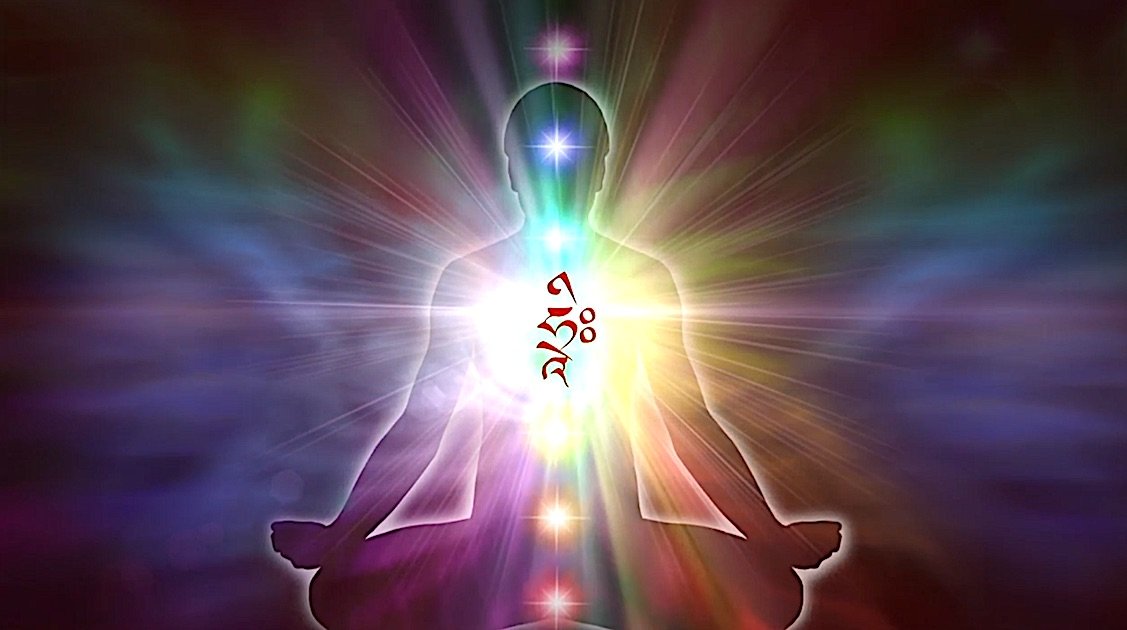
What is Shamanism? Indigenous practices of connecting to the non-material or spirit realm have been in place, cross-culturally, for thousands of years.
In Shamanism and Buddhism the universe is alive and sacred and there are practices for directly experiencing this. However, centuries of trauma have lead to disconnection from the realms of ‘non-ordinary reality, the spirit world. This has happened as a result of many factors, including colonialisation, removal of peoples from their ancestral lands and the imposition of oppressive belief systems.
Mircea Eliade explains, in his book, “Shamanism: Archaic Techniques of Ecstasy”, that ‘shamanism’ is pre-eminently a religious phenomenon of Siberia and Central Asia and which may have evolved from the same foundations as Buddhism – and spread as Buddhist teachings and practices also spread.
Indeed the origins of the word “shaman” go to the Tungusic word, šaman – and even further back to the Sanskrit word “Sramana” (श्रमण) which means “a seeker” or “one who toils or exerts themselves for a higher religious purpose”. This correlation presents the shaman as one who “toils”, “labours”, makes effort in practicing to achieve spiritual liberation.
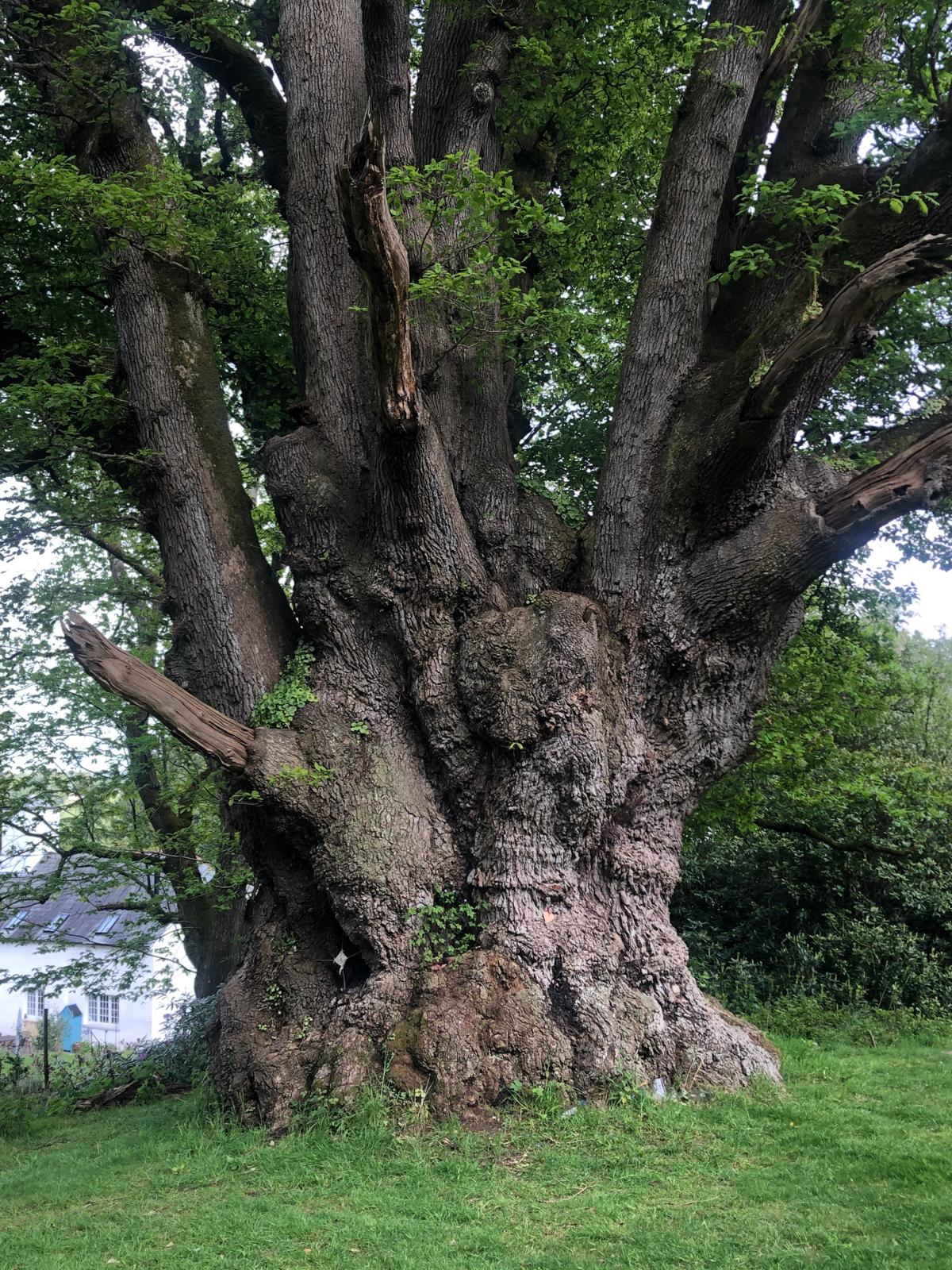
While this may be stereotypically associated with an ascetic lifestyle, it is at its heart about seeking enlightenment or liberation through a renunciation of material attachments and deeper connection to the esoteric and spiritual. From this understanding, there is a deep connection between Buddhism and Shamanism.
For the ethnologist, the shaman has been described as a ‘medicine man’, ‘sorcerer’, ‘magician’ or ‘druid’. For those able to interact with the spirit world – the universe perceived as living – there is an understanding of the realms beyond material, dualistic perceptions of ‘ordinary reality’.
In classical shamanism, which I practice and teach to others, the key practice is to form an intention and ‘journey’ though the imaginal consciousness, into the spirit realm. This can include exploring and interacting with the spirit world. This journeying involves altered states of consciousness, such as meditation, trance – and the tool to support a shift in consciousness is the ‘sonic drive’, the repetitive drum beat, delivered at a particular frequency.
The purpose of shamanic journeying can be to clarify answers to life’s questions of to direct spirits or spiritual energies into the physical world for the purpose of healing, divination. All this is to aid the community in some other way, including those in the community who have passed and need support to transcend from connections with the ‘middle realm’. All in all the practice is to restore balance and harmony.
With a primary purpose of helping or healing those in the community, Shamanism expresses the Buddhist ideal of the Bodhisattva. The Bodhisattva is one who vows to attain enlightenment for the benefit all beings. Shamanic practice includes a requirement to practice breaking through the blockages of conditioned existence in order to connect with a ‘living transcendental plane’ – and to do this for the benefit of all beings, including the ancestors, the children and others in the community.



 Holistic Education